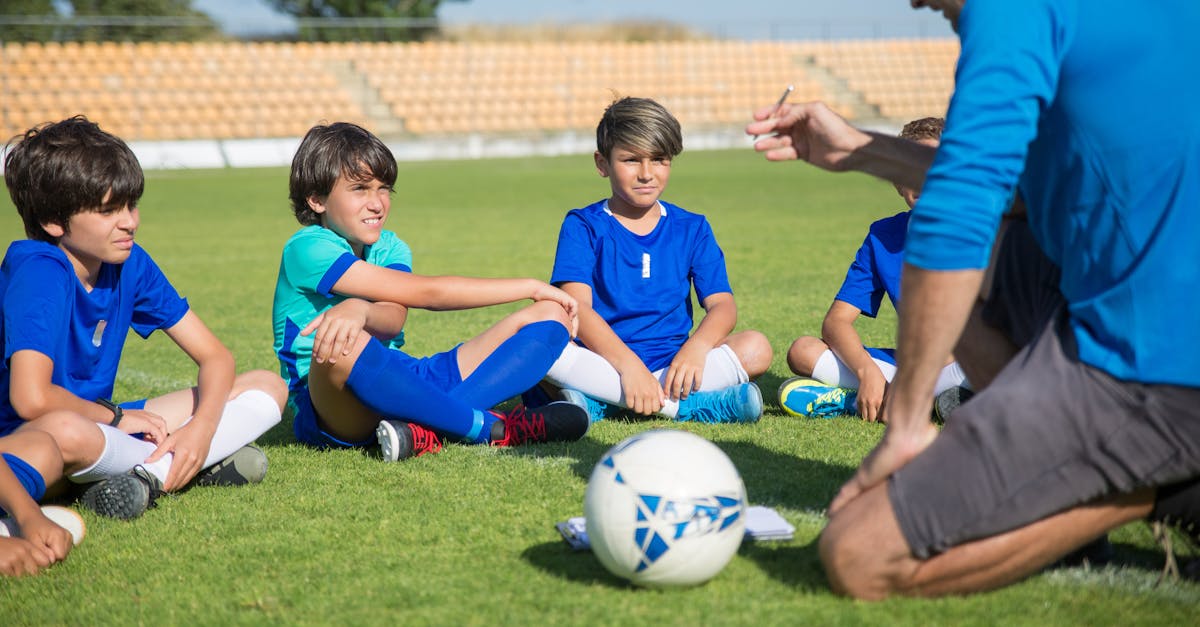
Essential soccer training equipment is a short cart: a ball in the size the age group actually uses, a few cones, and one return surface so a kid can take touches without a sibling in goal. A rebounder (or a brick wall) does more for first touch than a garage full of gadgets. Smart balls, launchers, and app jump ropes are later multipliers. They are not the first bag.
This page is the first-cart guide — what to buy before the aisle wins. The rebounder SKU list lives on soccer rebounders for backyard training. The wider youth catalog is soccer training equipment for youth players. The drill calendar is youth soccer home training program. A backyard frame is the frozen keeper: backyard soccer goals. Ball size is best youth soccer ball.
Desk research: manufacturer categories, the Amazon title mix, and the complaints families repeat (football Throwdown in a soccer photo, size 5 for a U8, a “trainer” that is a launcher). Not a lab test, not a star rating, and not a claim this desk ran a fall-season trial.
Listing check: Amazon “soccer rebounder,” “soccer trainer,” and “Franklin Throwdown” mix SKLZ Quickster-class soccer nets, Tekk-style kickback walls, Franklin MLS rebounders, Franklin Throwdown football throw targets, lacrosse rebounders in a soccer hero shot, baseball rebounders, and SKLZ Kick-Over / generic corner targets that need a goal you do not own. Confirm (1) the photo is a soccer ball and a rebound face, not a football spiral net, (2) assembled face size is on the variation dropdown, (3) a “kick trainer” is not a ball launcher, and (4) ball size is 3 / 4 / 5 for the age, not “official” because the listing said pro. Street prices move; treat any dollar figure here as a listing check, not a lock.
Who should buy this — and who should skip
Parents. If the kid will kick 15 minutes in the yard, buy the ball and one return (wall or rebounder). Add cones when they will actually set them up. That is the essential bag.
Coaches / backyard stations. A shared rebounder and a cone bag are a station. That is a different cart from one child’s size-4 ball.
Skip first. Skip a smart soccer ball until first touch exists without a sensor. Skip a ball launcher — that aisle is soccer ball launchers, not essentials. Skip a football Throwdown / QB target wearing a soccer title. Skip an adult size-5 match ball for a 6-year-old. Skip a Bluetooth jump rope as the “agility” buy; footwork for soccer is cones and a ball. Ladder kits, if you add them later, sit on agility training equipment.
What “essential” actually means
After the listing noise, the useful traits are boring:
- Independent use. Kid can take touches after you stake it once.
- A return. Wall, rebounder, or a person. No return, no session.
- Correct ball size. Size is a rule, not a gadget upgrade.
- Portable enough to come inside. UV kills cheap elastic.
- One job. A rebounder that also claims to be a lacrosse wall and a baseball screen is how frames twist.
You do not need performance metrics on a U8. You need reps.
1. The ball (buy this before any trainer)
Search youth soccer ball size 4 or size 3 / size 5 from the youth soccer ball chart. A $20–30 training ball that holds air is the essential. A $150 match ball is a skip for backyard volume.
Listing check: “Size 5 official” photos on a kid-size listing. Confirm the size stamp, not the marketing subtitle.
2. The rebounder (the one trainer that earns its hook)
A soccer rebounder turns one player into a passing drill. The honest first buy is a soccer kickback / Quickster-class net, not a football target.
Search soccer rebounder. Then open the rebounder comparison before you pick a SKU — that page is the size and tension list.
Buy it when there is a wall-less yard (or the wall is a window).
Skip it when you already have a solid wall and a correct-size ball. A wall is $0 and does not sag.
Franklin Throwdown-class fail: Franklin’s Throwdown name is the football throw-target family on youth football training gear. A soccer-titled Throwdown or a football in the thumbnail is the listing-check fail. Franklin MLS rebounder listings are a different (soccer) product — read the face, not the brand.
3. A goal only if you will shoot
Shooting targets (SKLZ Kick-Over class and generic corner clips) attach to a goal you already own. They do not create a goal.
Buy a target when the backyard already has a frame — shop frames on backyard soccer goals.
Skip the target when there is no goal. Buy the rebounder or use the wall. Search soccer kick over target only after you can name the goal width. Title inflation to “fits any goal” on a 4-foot pop-up is the same listing-check as a 7×7 baseball net that is a 5×5 kit.
4. Cones — then maybe a ladder
A disc-cone bag is the essential agility tool. Ladders are optional and live with the rest of the footwork aisle on agility training equipment.
Search disc cones soccer.
Skip first a “smart” jump rope as soccer equipment. A rope is conditioning. It is not first touch. If a kid already loves a rope, that is a different page: smart jump rope review.
Building a short week (suggestion, not a protocol)
Keep sessions short. The home training program is the 8-week version. This is the essential week:
| Day | Job | Gear |
|---|---|---|
| Mon | Passing / first touch | Rebounder or wall |
| Tue | Cuts with the ball | Cones + ball |
| Wed | Finishing if you have a goal | Goal + optional target |
| Thu | Weak-foot touches | Rebounder or wall |
| Fri | Optional rope or ladder | Only if they will do it |
| Weekend | The game | Leave the gadgets home |
Twenty focused minutes beats a Saturday binge. No invented accuracy percentages. The tell is whether the bag comes back out on Tuesday.
Age bands (buy less than the aisle suggests)
Ages 5–8
Ball + space + fun. A rebounder is plenty. Skip app metrics and smart balls.
Ages 9–12
This is when a rebounder and, if you have a goal, a corner target get used. Size 4 is the usual ball. The youth training catalog is the next read, not a second rebounder.
Ages 13+
Size 5. Add film or a watch only if the player already trains: GPS watches for young athletes and video analysis apps are later tools, not essentials.
Our recommendation
If you buy one trainer, buy a soccer rebounder (or use the wall) and a size-right ball. Add cones. Stay under a small-bag budget. Put the Franklin-football and smart-rope listings back.
For the SKU table, use soccer rebounders. For the drill plan, use the home program. Browse the soccer hub and the training aids hub.
Frequently Asked Questions
What soccer training equipment does a kid actually need?
A correct-size ball and a return surface. Cones if they will set them up. Everything else is optional.
Is a rebounder better than a wall?
A rebounder is better when you do not have a wall, or the wall is a window. A wall is better when it is already there and free.
Should we buy a smart soccer ball first?
No. Sensor balls belong after the kid will kick without a battery. See smart soccer training tech.
Why do “soccer trainer” listings show a football?
Because Franklin Throwdown-class football nets and multi-sport rebounders share the keyword. That is the listing-check. Buy a soccer face, or walk away.
Do we need a jump rope for soccer footwork?
No. Cones and a ball are the soccer footwork buy. A rope is extra conditioning.
Related Articles
How we evaluate: We combine manufacturer documentation, independent user feedback, and parent-focused criteria like safety, durability, ease of use, and long-term value.
Accuracy note: Pricing and product availability can change. Verify details on the retailer site before purchase.
Affiliate Disclosure: Sports Gadget Review is a participant in the Amazon Services LLC Associates Program. When you purchase through links on this page, we may earn a commission at no extra cost to you. Editorial recommendations are made independently.