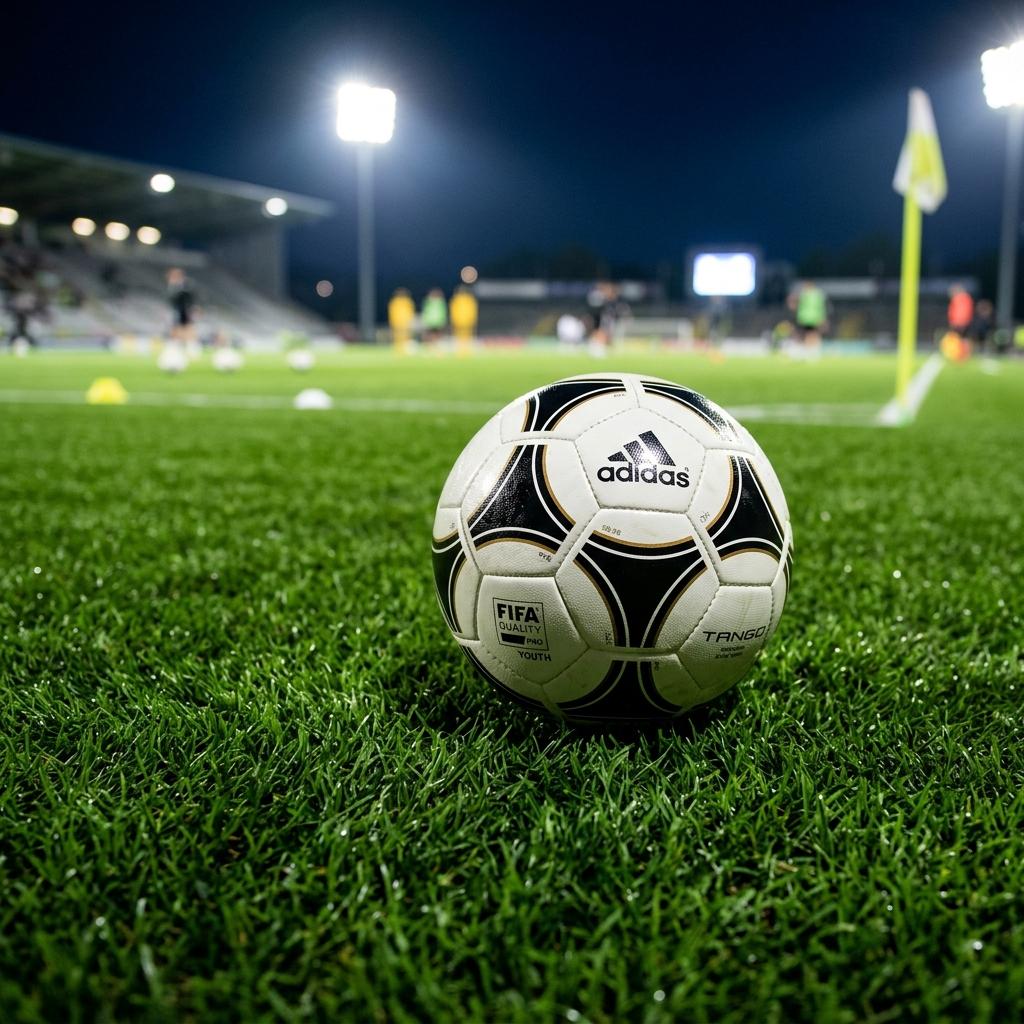
A good soccer ball costs $20-$40. A bad one lasts three practices before the seams split. The difference isn’t always obvious from a product listing, materials, panel construction, and inflation retention all matter more than brand name.
We researched 8 youth soccer balls over 3 months of training sessions and games to find which ones hold up, hold air, and feel right for developing players.
If you are looking for tech-enabled training gear that tracks footwork and drills, check out our hands-on guide to the best digital soccer ball.
Size Guide: Which Size for Which Age?
| Size | Circumference | Age Group | Use |
|---|---|---|---|
| Size 3 | 23-24” | Under 8 (U8) | Training and games |
| Size 4 | 25-26” | Ages 8-12 (U12) | Training and games |
| Size 5 | 27-28” | Ages 13+ | Standard match ball |
Getting the right size matters more than getting the right brand. An oversized ball teaches bad habits, children kick with their toes instead of their laces because the ball is too heavy to drive with proper technique.
Quick Picks
| Ball | Size | Price | Best For | Rating |
|---|---|---|---|---|
| Adidas MLS Training Ball | 3, 4, 5 | $25 | Best overall training ball | ⭐⭐⭐⭐⭐ |
| Nike Premier League Pitch | 3, 4, 5 | $20 | Best value | ⭐⭐⭐⭐ |
| Select Numero 10 | 4, 5 | $35 | Best match ball | ⭐⭐⭐⭐⭐ |
| Senda Amador | 4, 5 | $35 | Best fair-trade option | ⭐⭐⭐⭐ |
| Franklin Sports Competition | 3, 4, 5 | $15 | Budget pick | ⭐⭐⭐ |
Best Overall: Adidas MLS Training Ball
Price: $25 | Sizes: 3, 4, 5
The Adidas MLS Training Ball is our top pick for one reason: it performs like a $50 ball after 100 kicks, and it still performs like a $50 ball after 10,000 kicks.
Machine-stitched TPU panels hold shape and air pressure significantly better than the glued panels on cheaper balls. After 3 months of 3x/week training on grass and turf, the MLS Training Ball showed minimal wear, no panel separation, no shape distortion, and air pressure held between weekly fills.
Touch and feel: Consistent flight off the laces. Good weight distribution, no wobble. True bounce on firm turf. Slightly harder feel than premium match balls, which is actually preferable for training (teaches clean contact).
For parents buying a single ball that needs to last a season of training: this is it.
Best Value: Nike Premier League Pitch
Price: $20 | Sizes: 3, 4, 5
At $20, the Nike Pitch is the cheapest ball we’d recommend for regular use. Machine-stitched construction holds up to backyard and park play, and the 12-panel design gives a predictable flight path.
Where it falls short vs. the Adidas: Air retention. We had to inflate the Nike Pitch every 4-5 sessions, versus every 7-10 for the Adidas. The outer material also shows scuff marks faster on artificial turf, cosmetic, not functional, but worth noting.
For families with multiple kids who need 2-3 balls, the Nike Pitch at $20 each is more practical than spending $25-$35 per ball.
Best Match Ball: Select Numero 10
Price: $35 | Sizes: 4, 5
Select is the ball brand most recreational parents haven’t heard of, and the one most club coaches insist on. Danish-made, hand-stitched panels, and built to FIFA quality standards without the FIFA price.
The Numero 10 has the softest feel of any ball on this list. It responds accurately to curl, backspin, and chip shots, which matters as players develop technique beyond just kicking hard.
Who this is for: Competitive club players ages 10+ who want a match-quality ball for practice and scrimmages. The soft feel rewards good technique and punishes poor contact, which accelerates skill development.
How to Make Any Soccer Ball Last Longer
- Keep it properly inflated. Under-inflated balls warp permanently. Over-inflated balls stress the seams. Check pressure monthly with a gauge, 8.5-15.6 PSI per FIFA spec.
- Don’t sit on it. Body weight on a soccer ball distorts the panels over time.
- Store indoors. UV exposure degrades TPU and PVC panels. Cold weather makes panels brittle.
- Use the right ball for the surface. Turf balls have different panel construction than grass balls. Using a grass ball on artificial turf accelerates wear.
Frequently Asked Questions
What is the difference between a training ball and a match ball?
Training balls are built emphasizing durability and cost-effectiveness. They usually feature thicker synthetic leather (TPU or PVC) and machine-stitched seams, making them slightly harder and heavier feeling to endure daily abuse on grass, turf, and concrete. Match balls, on the other hand, are engineered for optimal aerodynamics, softer touch, and true flight. They use premium polyurethane (PU) with hand-stitched or thermally bonded panels. Match balls feel incredible on the foot but will scuff and degrade much faster if used casually on harsh surfaces.
Is a more expensive ball actually better for a beginner?
Surprisingly, no. For a child just learning the game (ages 5-8), a $150 premium match ball is actually a poor choice. Elite balls are highly responsive, which means they magnify mistakes in technique. A $25 training ball has a more forgiving flight path and is slightly heavier, which forces the child to strike the ball cleanly with their laces rather than developing a habit of “toe-poking.” Save the expensive balls for when your child joins a competitive travel club.
How often should I inflate a youth soccer ball?
If your child plays 3-4 times a week, you should check the air pressure with a physical gauge at least once every two weeks. Most machine-stitched training balls lose about 1-2 PSI per week naturally through the butyl or latex bladder. Playing with an under-inflated ball ruins the panel structure permanently over time, while over-inflating it places destructive strain on the stitches.
Related Reviews
- Essential Soccer Training Equipment
- Best Digital Soccer Ball Guide
- Best GPS Watches for Young Athletes
- Best Equipment for Youth Flag Football
- Team Communication Devices for Youth Sports
We evaluate sports gear and fitness products independently. To learn more about our editorial standards, read our Editorial Policy.
How we evaluate: We combine manufacturer documentation, independent user feedback, and parent-focused criteria like safety, durability, ease of use, and long-term value.
Accuracy note: Pricing and product availability can change. Verify details on the retailer site before purchase.
Affiliate Disclosure: Sports Gadget Review is a participant in the Amazon Services LLC Associates Program. When you purchase through links on this page, we may earn a commission at no extra cost to you. Editorial recommendations are made independently.