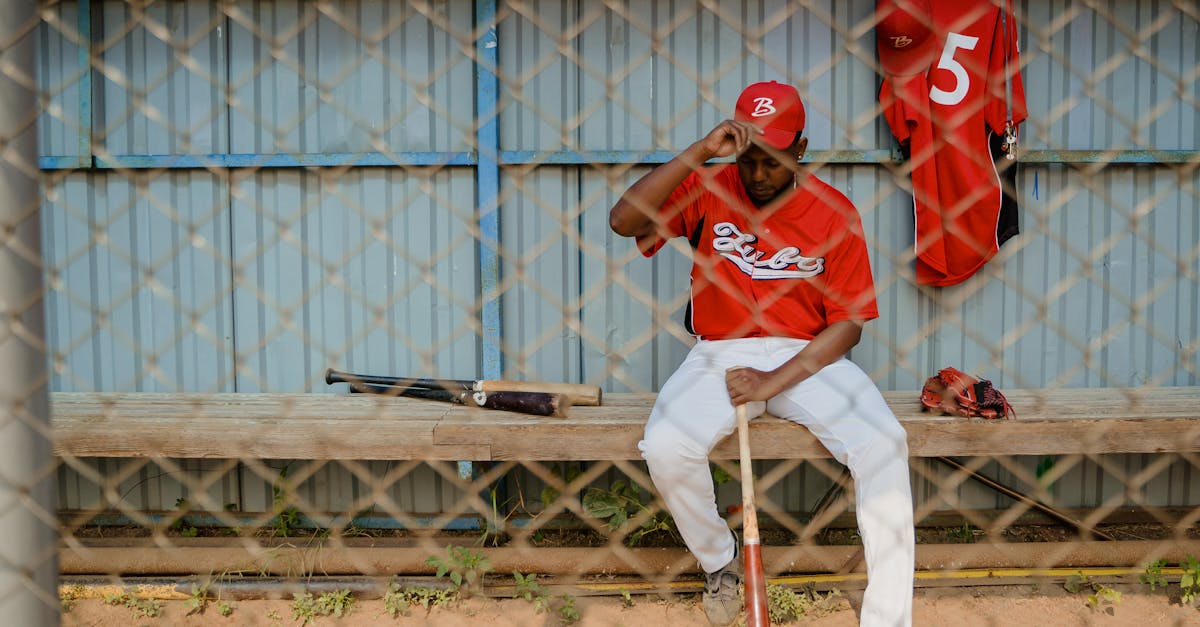
Baseball rewards reps more than almost any other sport, and most of those reps don’t need a coach, a full field, or a parent with a sore arm. They need a small, deliberate set of equipment: something to hit off, something to hit into, something to throw consistent pitches, and — increasingly — something that measures whether all of that work is actually paying off.
The hard part is that the market is crowded with gear that looks essential in a product photo and then collects dust in the garage by July. This guide sorts the categories that consistently deliver value for youth and teen players from the ones that only make sense in narrow situations.
If you want the youth first-buy order (net + tee first, then balls, then upgrades), that lives on Best Baseball Training Equipment for Youth. This sibling stays the category explainer. Both pages stay published.
If you are still deciding whether a sensor or a machine belongs in the house at all, use the youth sports tech buyer’s guide. Diamond footwork that is not a tee or a net is on agility training equipment. Browse the baseball hub and the training aids hub.
As an Amazon Associate we may earn a commission from qualifying purchases made through links on this page, at no extra cost to you.
How We Put This Guide Together
This is a research-based guide, not a hands-on review. The picks below come from comparing manufacturer specifications, coaching and player-development resources, published equipment standards, and the recurring themes in verified owner feedback across each category — especially the complaints that show up again and again (net fraying at the stake, tee tops cracking, sensors that drift mid-session).
Where a claim comes from a specific organization — USA Baseball’s bat standard, MLB’s Pitch Smart program, NOCSAE’s helmet certification requirements — we link to that source directly. Where a product only suits a certain age or skill level, we say so instead of pretending one $60 tee is right for a 7-year-old and a high school varsity hitter alike.
The Short List: If You’re Only Buying Three Things
If you’re starting from zero, buy in this order:
- A quality batting tee — the foundation of every hitting progression, from tee work to front toss.
- A hitting net (7x7 or larger) — turns any backyard or basement into a hitting cage.
- A bucket of poly or foam practice balls — safe for limited space, cheap to replace, and friendlier to young hitters (and nearby windows) than real baseballs.
Everything else on this list — machines, sensors, radar, rebounders — extends that core setup rather than replacing it.
Parents should stop after those three until the net is getting used most weeks. Coaches can justify a shared Lite-Flite-class machine for a roster; they should not buy a swing sensor per 10U hitter. Skip Blast, Diamond Kinetics, and radar until someone — a coach or a parent with a plan — will look at the number after the session. Product cards for the common SKUs on this site: PowerNet hitting net, Jugs Lite-Flite, Blast Motion.
Batting Tees: Where Hitting Work Starts
The tee is the single most-used piece of training equipment in baseball, and the difference between a good one and a bad one is mostly stability and durability. A tee that tips over on every swing interrupts the rep and teaches nothing.
The Tanner Tee Pro is the category benchmark: a hand-rolled rubber flex top that sits on the ball rather than gripping it, a heavy steel base with a tripod footprint, and a stem that bends instead of snapping when a young hitter clips it. It’s the tee you’ll see most often at college and professional facilities, and its owners overwhelmingly describe the price as the only real downside. For families not ready to spend that much, a basic adjustable youth tee from Franklin Sports covers the same fundamental job — ball on a stick at a adjustable height — and is a perfectly reasonable starting point for a recreational player.
One honest note: a tee does not fix a swing by existing. It fixes a swing when it’s used with a plan — specific contact points (inside, middle, away), deliberate rhythm, and preferably video. Which leads to the next category.
Hitting Nets and Self-Toss Trainers
A net is what converts tee work from a drill into a routine. The PowerNet 7x7 hitting net is the consensus pick in this category — large enough that mishits stay in the net, foldable enough to store in a trunk, and available in bundles that include a sock-net screen for front toss. Owner feedback is remarkably consistent: setup takes minutes, the frame is sturdy, and the most common failure point over time is the netting around the ground stake, which is worth knowing before you drag it across concrete.
For hitters who practice alone, the SKLZ Hit-A-Way takes a different approach entirely — the ball is tethered to a wrap-around strap mounted on a pole or tree, and it returns to the hitter after each swing. It removes ball-chasing entirely, which is exactly the point for a 9-year-old whose practice window is twenty minutes. The trade-off is that a tethered ball behaves differently than a free one, so it’s a rhythm-and-repetition tool rather than a substitute for live swings into a net.
Pitching Machines: Consistent Reps Without a Sore Arm
Pitching machines solve the hardest logistics problem in youth baseball: a hitter needs dozens of quality pitches per session, and no human can deliver them safely and consistently every day.
At the entry level, the Jugs Lite-Flite machine throws the lightweight Lite-Flite and poly balls used in many youth programs, which keeps ball speed in a range young hitters can actually track while greatly reducing the sting of a mishit. Jugs Sports has been making pitching machines for decades, and the Lite-Flite line is pitched squarely at backyard and youth-team use.
At the premium end, the Hack Attack from Sports Attack is a three-wheel machine that can throw real baseballs — fastballs, curves, and changeups with full spin control. The three-wheel design is the practical draw: with no blocking wheel face, the hitter sees the ball for the entire flight, which is closer to live pitching than two-wheel designs allow. It’s the tier of machine you’ll find in high school and college facilities, and its price reflects that — it’s a program or multi-family purchase, not a first birthday gift for a tee-ball player.
We cover this category in much more depth, with budget-to-pro picks and the age-appropriateness question, in our dedicated guide to the best pitching machines for youth baseball.
One safety point that matters more than any feature list: machines let hitters get reps without adding to a young pitcher’s workload. MLB and USA Baseball’s Pitch Smart program publishes age-specific daily pitch limits and required rest days, and the logic extends to any structured throwing — volume is the risk variable, and a machine takes a human arm out of the equation entirely.
Swing Sensors and Radar: Making Practice Measurable
Hitting is famously hard to evaluate with the naked eye — which is why measurement has become the fastest-growing corner of baseball training gear.
The Blast Baseball swing sensor attaches to the knob of any bat and reports metrics like bat speed, attack angle, and time to contact through its app. Blast Motion positions the sensor as the same technology used across professional and college baseball, and the practical value for a youth player is simpler than the metric names suggest: it turns “swing harder” into a number a kid can try to beat, and it surfaces swing changes that coaches can’t always see in real time. The main limitation, consistent across owner feedback, is that a sensor measures the swing but doesn’t interpret it — without a coach or a structured plan, it’s a scoreboard without a game plan. Diamond Kinetics SwingTracker is the main alternative in the same category.
For pitching and throwing, the Pocket Radar Smart Coach reads exit velocity and pitch speed, pairs with a phone app for history logging, and is small enough to live in a bat bag. The honest use case is trend-tracking, not radar-gun theatre: velocity creeping up over a season is signal, and chasing max readings every session is noise. We compare radar options — including how they’re used across youth sports — in our guide to the best radar guns for youth players.
The cheapest measurement tool of all is still video: a phone on a $25 tripod, recording from the side and from the front, will do more for swing mechanics than any sensor at any price. If game and practice recording is the goal, our rundown of the best sports cameras for youth game film covers durable options that survive a season in a equipment bag.
For a deeper comparison of sensor options, see the best baseball swing analyzers for youth players.
Fielding and Throwing: The Reps Nobody Practices
Hitting gets the gear budget; fielding decides who plays. The Rawlings PitchBack is a angled rebounder net that returns thrown balls at varying angles, built for solo infield work — ground balls, transfer, footwork — without a partner. Its owner feedback mirrors the hitting-net category: reliable, portable, and best stored out of constant UV exposure.
For throwing programs, a bucket of poly or foam practice balls is quietly one of the highest-value purchases on this page. Lighter-than-regulation balls let players take full reps in tighter spaces with less risk to people and property, and they’re what most entry-level machines are designed to throw.
Strength, Speed, and Recovery
Baseball-specific skills ride on general athleticism, and this is where cheap, boring gear outperforms gadgets. An agility ladder costs little, stores flat, and addresses the footwork that shows up everywhere on a diamond — start with the agility training equipment kit guide, then use agility ladder drills for speed training for the actual patterns. Resistance bands cover warm-ups, shoulder circuits, and rotational strength work — the day-to-day durability work that keeps young arms available.
Recovery is the other half of the workload equation, especially for pitchers and catchers. Our guide to recovery tools for youth athletes covers what’s worth owning versus what’s marketing; the short version is that sleep and load management beat any percussion device.
Before You Buy: Standards and Safety Worth Knowing
Three standards affect your purchases more than any review does:
- Bats. Since January 1, 2018, most major youth leagues (including Little League) require bats certified to the USA Baseball Bat Standard. A bat that doesn’t carry the right certification for your league is unreturnable clutter — always check before buying.
- Helmets. Look for models certified to NOCSAE standards — the certification mark is the mechanism by which helmets meet league requirements, and no “training” purchase outranks a helmet that fits and is certified.
- Head-injury awareness. Baseball’s concussion exposure is real, particularly at catcher and pitcher. Our youth sports concussion protocol guide for parents explains what to watch for and what a return-to-play progression looks like.
Frequently Asked Questions
What baseball training equipment should a beginner buy first? A tee, a net, and practice balls — in that order. That trio supports tee work, front toss, and full swings in a backyard indefinitely, and every other purchase on this list assumes you already have it. Machines and sensors amplify a routine; they can’t create one.
Are pitching machines worth it for youth players? For hitters who need volume and consistency — which is nearly all of them — yes, in the Lite-Flite/poly-ball tier. The premium machines (like the Hack Attack) only justify themselves for programs, older travel players, or shared purchases. Note that a machine helps hitters get reps without inflating a pitcher’s throw count — a real advantage in a sport where arm-workload limits are age-specific, as laid out by the Pitch Smart program.
Do swing sensors actually help young hitters? They help when someone — a coach or a parent with a plan — uses the data to structure reps; they’re expensive toys when nobody looks at the numbers. Feedback loops are genuinely powerful for skill acquisition, and metrics like bat speed are exactly the kind of simple, chaseable number kids respond to. Just pair the sensor with instruction, not just the app.
Which bat standard does my league require — USA or USSSA? It depends entirely on the league, and the answer changes what you can legally use in games. The USA Baseball Bat Standard site lists which organizations adopted the USABat standard (effective January 1, 2018); travel and tournament organizations often follow different standards, so confirm with your league or tournament director before spending money on a bat.
The Bottom Line
If the same shopping trip includes a jaw guard, whether a C-flap is legal in Little League is a certification question, not a training-aid question — and metal spikes follow the division, not the birthday, as laid out in what age kids can wear metal baseball cleats.
The best baseball training equipment is the kind that gets used five times a week, not the kind with the longest spec sheet. A good tee, a big net, and a bucket of practice balls remain the highest-return purchases in the sport — everything technological, from Blast sensors to Pocket Radar to three-wheel machines, is a multiplier on that foundation, not a substitute for it. A walk-in backyard tunnel is a later upgrade; that enclosure vs 7×7 net vs machine listing-check lives on home batting cages and pitching machines. Buy the foundation first, add measurement when practice is consistent, and keep young arms inside the workload guidelines that the sport’s own governing bodies publish.
Same rule in other sports: youth football training gear before a connected football, and a basketball hoop pole pad before a shot-tracking gadget. The filter for the whole cart is the youth sports tech buyer’s guide.
How we evaluate: We combine manufacturer documentation, independent user feedback, and parent-focused criteria like safety, durability, ease of use, and long-term value.
Accuracy note: Pricing and product availability can change. Verify details on the retailer site before purchase.
Affiliate Disclosure: Sports Gadget Review is a participant in the Amazon Services LLC Associates Program. When you purchase through links on this page, we may earn a commission at no extra cost to you. Editorial recommendations are made independently.