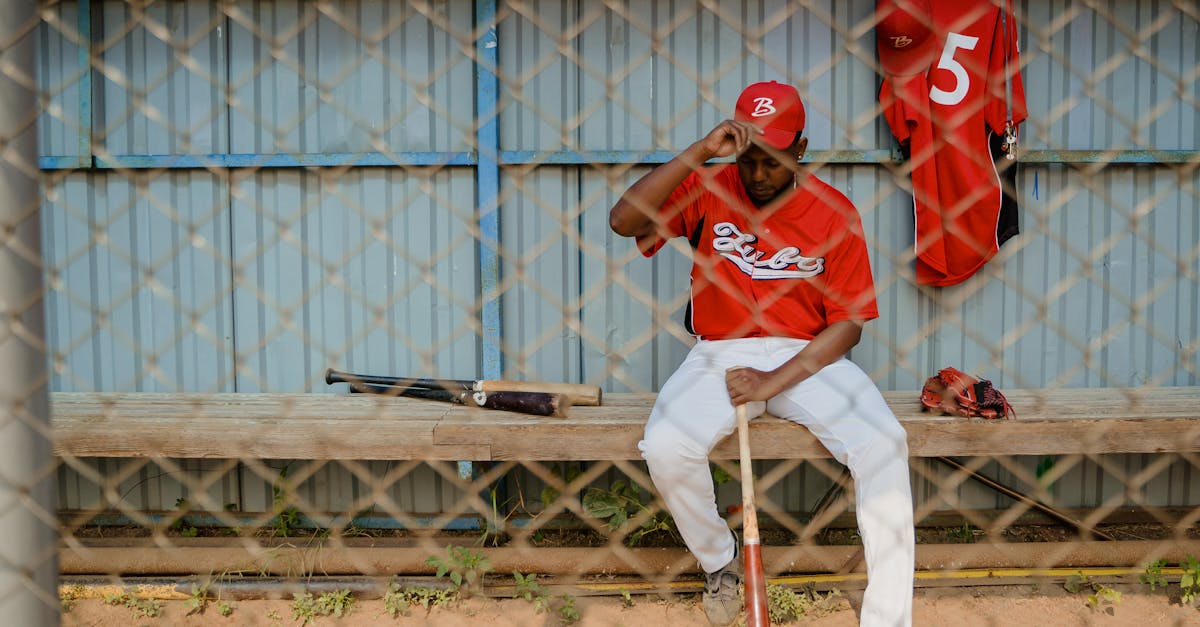
Parents ask this as an age question — “when can he wear metal spikes?” — because that is how shoe boxes and Slack threads are labeled. Little League answers it as a division question. A league-age 12-year-old in Majors and a league-age 12-year-old in Intermediate (50/70) are not standing on the same rule.
This is a research-based guide to that split: Little League Majors and below versus Intermediate 50/70, Juniors, and Seniors, plus the travel/USSSA 13U line that does use age brackets. There is no existing cleats article on this site to cannibalize, and this is not a bat-standard explainer. If you also need hitting equipment, that lives in best baseball training equipment.
As an Amazon Associate we may earn a commission from qualifying purchases made through links on this page, at no extra cost to you.
How we researched this guide
Footwear rules are short, written down, and easy to over-quote from memory. We used the primary documents:
- Little League’s help-center article Are cleats with metal spikes permitted?, which restates Rule 1.11(h)
- The Little League playing-rules hub and the free Rulebook app, where 1.11(h) actually lives
- Little League’s own division list, What are the divisions of Little League Baseball?, and the league-age determination page
- USSSA’s published national baseball by-laws (the 2026 packet hosted at cms.usssa.net), Rule 7.01.F on metal spikes by age division
- Facility and state-USSSA notes that ban metal on turf and portable mounds even when the age rule would allow them
We did not time kids in a lab or invent a “best metal cleat for 11-year-olds” ranking. The legal question is settled by the book. The shopping question is molded versus metal versus turf, and whether this weekend’s field is dirt.
The short answer
In Little League baseball, metal spikes are not a birthday present. They become legal when the player is in Intermediate (50/70), Junior League, or Senior League. They are not permitted in the Little League (Majors) division and below.
Little League’s help center states it in three lines:
- Shoes with metal spikes or cleats are not permitted; shoes with molded cleats are permissible — that is the default sentence.
- Little League (Majors) and below: removable spikes or cleats are permitted only if, when removed, no metal remains exposed.
- Intermediate 50/70, Junior, and Senior League: shoes with metal spikes or cleats are permitted.
USSSA travel baseball, by contrast, does write an age line: 4U–12U wear non-metal cleats; 13U and older may wear traditional metal baseball spikes, unless the complex bans metal on turf or a portable mound.
If your kid is 12 and still in a Majors draft league on a 46/60 diamond, the answer is molded (or a removable system that leaves no metal showing). If the same 12-year-old is rostered on Intermediate 50/70, metal is legal in that Little League division. If they play 12U USSSA on Saturday and Majors on Tuesday, the Saturday bag still needs a molded pair.
Age is not the rule — division is
Little League baseball divisions, from International’s own list:
| Division | Ages International lists | Metal spikes (Rule 1.11(h) as published) |
|---|---|---|
| Tee Ball | 4–7 | No |
| Minor League | 5–11 | No |
| Major Division | 9–12 | No |
| Intermediate (50/70) | 11–13 | Yes |
| Junior League | 12–14 | Yes |
| Senior League | 13–16 | Yes |
Those age bands overlap on purpose. League age is a chart, not “how old on opening day.” Local boards can narrow a division inside the grouping International allows — Majors can be limited to 10–12 or 11–12; Intermediate can be limited to 12–13; Juniors can be limited to 13–14.
That is why “what age can kids wear metal cleats in Little League?” has a messy kitchen-table answer and a clean rulebook answer. The clean answer is: when they are playing a division Intermediate or older. The messy answer is: some 11-year-olds are already on 50/70 and may wear metal there; some 12-year-olds are still in Majors and may not.
Softball is not automatically the same conversation. Little League publishes separate softball age charts and a separate rulebook in the same app. If your question is a softball player, open the softball book’s uniform/shoes rule for that division instead of borrowing the baseball table. Local softball boards also sometimes write “no metal through 12U” into house rules even when a baseball sibling division would allow metal on the next field over.
What “Majors and below” actually means on a shoe
The help-center wording about removable spikes confuses people, because it sounds like you can install metal and then unscrew it.
Read it as a safety sentence: in Majors and below, if the shoe has a removable cleat system, whatever is left on the bottom when you are playing cannot be exposed metal. A molded rubber or plastic cleat shoe is the obvious legal pair. A shoe that takes screw-in plastic/TPU studs, with no metal tip showing, can also be legal. A shoe that takes metal spikes, with those spikes installed, is not. A shoe that takes metal spikes, with the spikes removed but metal posts or threaded sockets still sticking out, is not.
Do not try to game that with tape, filed-down metal, or “we’ll just unscrew them at the gate.” Buy molded youth baseball cleats for Tee Ball, Minors, and Majors and you will not have a shoe argument. Browse youth molded baseball cleats.
When the player moves to Intermediate, Juniors, or Seniors, metal becomes a permission, not a requirement. Plenty of 50/70 kids still wear molded shoes on dry dirt and switch to metal later, or never, depending on the field and their ankles.
Intermediate 50/70 is the Little League metal-cleat on-ramp
Intermediate (50/70) is the division that looks like “real baseball” to a parent who grew up on 90-foot diamonds: 70-foot bases, 50-foot pitching, lead-offs and balks in the International tournament sense, bigger kids. International lists it for league ages 11–13.
That is also why metal shows up here. The players are older, the field is larger, and the rulebook treats the division like the start of the junior-high game rather than the 46/60 kid-pitch game. Rule 1.11(h), as Little League summarizes it, allows metal spikes in Intermediate, Juniors, and Seniors.
What that does not mean:
- It does not mean every 11-year-old in town is allowed metal in every game they play that week.
- It does not mean a player who “is Intermediate age” can wear metal in a Majors game. The game’s division controls the shoe.
- It does not mean the local league cannot ban metal on a particular field (new turf, a rented high-school mound, a city ordinance).
If your league runs both Majors and 50/70, ask which roster your kid is on for this game, not which one they practiced with on Thursday. Dual-rostered players are a real Little League situation; the shoe rule follows the game they are in.
Juniors (12–14) and Seniors (13–16) keep metal permission. By then, many kids have already bought a metal pair for 50/70 or for travel 13U. The Little League question is mostly settled. The remaining arguments are turf rules and whether a cheap metal shoe is worth buying before a growth spurt.
USSSA and travel 13U: this one is an age line
Travel baseball loves age brackets (10U, 11U, 12U, 13U) more than Little League division names. USSSA’s national baseball by-laws put footwear in Rule 7.01.F:
- 4U through 12U: non-metal cleats shall be worn.
- 13U and older: traditional metal baseball spikes shall be permitted.
That is the sentence parents are reaching for when they say “metal at 13U.” It is a USSSA national sentence, not a Little League sentence. A 12-year-old on a 12U travel team is still in the non-metal bucket on a USSSA weekend even if that same kid plays Intermediate Little League on weeknights.
Two extra travel wrinkles show up in state and event packets (California USSSA’s published Rule 7.00 is a typical example):
- Portable mounds: non-metal only, often regardless of age.
- Turf fields: non-metal only, often regardless of age.
So the 13U player who just unboxed metal spikes still needs a molded or turf pair in the bag. The first time you watch a kid get sent back to the car because the complex is all turf is the last time you leave the backup shoes at home.
Other travel brands (local rec tournaments, school ball, Perfect Game-style events) write their own footwear lines. Do not assume USSSA 7.01.F applies to a weekend that is not USSSA. Read the event rules. If the PDF is silent, email the director and pack molded anyway.
When you are shopping the first legal metal pair, search youth metal baseball cleats and confirm the listing is actually metal spikes, not “metalic” paint on a molded shoe. For turf-only complexes, search youth baseball turf shoes.
Molded vs metal vs turf: what the words mean
Molded cleats. The studs are part of the sole or are non-metal replacements. This is the Little League Majors-and-below shoe and the USSSA 12U-and-below shoe. On dirt, a decent molded pair is enough baseball shoe for most 10- and 11-year-olds. On wet grass, they can get slick; that is a field problem, not a reason to sneak metal into Minors.
Metal spikes / metal cleats. Traditional baseball spikes: metal tips (often on a replaceable post) that bite dirt and clay. Legal in Little League Intermediate and up, and in USSSA 13U and up, unless a facility says no. They help on chewed-up dirt and damp infields. They are harder on other people’s legs and on portable mound skins. Teach sliding and picking up the feet around a pitcher covering first.
Turf shoes. Short rubber nubs, built for synthetic grass. Not a substitute when a dirt-field coach wants “real cleats,” and not metal. They are the pair that saves a 13U metal-cleat kid on a turf complex.
Cross-trainers / sneakers. Some Tee Ball locals allow them. Once the field is wet or the division is stealing, they are a poor substitute. They are also how you find out the local rule required “athletic shoes or molded cleats” after someone rolls an ankle.
There is no need for a 9-year-old to own all three. One molded pair that fits, plus maybe turf if the league is on synthetic grass, is a complete Majors-and-below kit. Add metal when the division or the 13U travel rule actually allows it, not when a teammate’s older sibling looks cooler.
Why the metal ban exists under 50/70
Little League does not publish a long safety essay under 1.11(h). The pattern is still obvious if you have stood next to a Majors pile-up at second: smaller fields, more kids still learning to slide, more collisions at a 46/60 diamond’s crowded bases, and a lot of players who are not yet consistent about keeping spikes down.
Metal is a tool for gripping dirt. It is also a tool for cutting a shin. The younger divisions default to molded because the grip benefit is smaller than the injury and insurance conversation. Intermediate and older reopen metal because the game looks more like the one those shoes were designed for.
None of that is a reason to shame a 50/70 parent who stays with molded. Permission is not a mandate. If your 12-year-old has never worn metal, the first week of Intermediate is a good time to practice in them before a game, on the same dirt, so they learn how the shoe plants and how a slide feels. Brand-new metal on a dry, hard infield in the first inning of a tournament is a blister machine.
Fit, break-in, and the “room to grow” trap
Cleats that are a full size large do not “leave room for next year.” They leave room to roll an ankle this Saturday. Fit baseball cleats the way you fit a shoe the kid will run and plant in:
- Check the manufacturer’s youth chart (Brands publish them; use them).
- There should be a small amount of toe room, not a finger’s worth of heel slip.
- If they wear thick baseball socks, bring those socks to the store or measure at home with them on.
- Replace cleats that have flattened studs, separated soles, or a cage that cuts the instep. Worn molded studs on wet grass are how kids start asking for metal a year early.
Metal spikes wear and loosen. Check the tips. A missing spike is a rolled-foot waiting to happen, and a loose spike can be an equipment issue even in a metal-legal division.
Do not buy used metal cleats with mystery rusted posts for a first pair. You cannot see how much life is left in the chassis, and youth sizes turn over cheaply enough that a worn metal shoe is a poor gift.
If you are already buying other baseball gear this season — helmets, tees, a catcher’s extra cup — keep the kids’ sports safety gear list in mind. Shoes are safety equipment when they are the difference between a planted cut and a slip; they are not optional fashion.
Local leagues that are stricter than International
International’s help-center article is the national floor for permission. Local Little Leagues can still say “no metal on this field” or “no metal in our Intermediate regular season.” A few house leagues that run an informal 50/70 schedule on city turf do exactly that.
City parks departments sometimes ban metal on all fields they own, including dirt, because of mound and grass damage. A high-school rental can require molded or turf as a facility rule even for a Senior League game.
The hierarchy that keeps you out of an argument:
- Facility / parks rule (turf, portable mound, city ban)
- Event or local-league bylaw (can be stricter than International)
- International Rule 1.11(h) as summarized on the cleats help page
- USSSA 7.01.F or other travel book if it is not a Little League game
When two rules conflict, wear the more restrictive shoe. Umpires and field managers do not want a debate about which PDF wins. They want non-metal on the portable mound.
Softball, football, and the wrong-sport shoe
Baseball metal spikes are a baseball (and sometimes softball) product. Do not send a baseball player to a game in football cleats with a long stud pattern that was never meant for a slide, and do not assume a soccer molded shoe satisfies a coach who wants a baseball toe and a pitching-hole plate.
Little League’s jewelry and hard-item language in the Safety Code is a separate uniform issue (watches, rings, hard decorative items). It is not a cleat rule, but it is the same inspection energy: if it is hard and it should not be there, someone will notice.
If your household also plays weekend football, keep those shoes in a different bag. Mixed studs at a baseball gate waste everyone’s first inning.
Frequently asked questions
My child is 11. Can they wear metal in Little League? Only if they are playing Intermediate (50/70) or an older division that allows metal, and the local/facility rules agree. An 11-year-old in Minors or Majors cannot.
My child is 12 and in Majors. The 50/70 team said metal is fine. Not in the Majors game. Division of this game controls the shoe. Pack molded for Majors.
My child is 12 and plays 12U travel. USSSA national rules say 12U is non-metal. Other travel groups may copy that or write their own line. Read the event rules. Little League Intermediate permission does not travel to a 12U USSSA plate meeting.
When is the first time metal is clearly allowed on a travel age chart? USSSA national: 13U and older, with turf and portable-mound exceptions that can take metal away again.
Do they have to switch to metal at 50/70? No. Molded remains legal. Metal is allowed, not assigned.
Are “half metal” or toe-only metal shoes a loophole in Majors? If metal is exposed, you are outside the Majors-and-below summary. Do not look for a loophole. Wear molded.
What about coaches’ shoes? Ask the local UIC. Player Rule 1.11(h) is written for participants. Some leagues hold adult base coaches to the same metal ban on 46/60 fields as a safety local. When in doubt, coaches wear molded too.
Can she wear metal in Little League softball Majors? Do not assume the baseball table. Open the softball rulebook in the Little League Rulebook app and your local softball bylaws.
A practical buying timeline
Tee Ball through Majors (and USSSA 12U and under). One pair of molded youth baseball cleats that fit. Add turf shoes only if your fields are synthetic. Do not buy metal “to grow into.” They will not be legal in the games that kid is playing, and they will not still fit when the rule changes.
First Intermediate 50/70 season, or first 13U travel season. Now you have a reason to look at metal. Buy them close to the season so the size is real. Keep the molded pair. You will need it for turf, portable mounds, and any remaining Majors or 12U games.
Juniors / Seniors / 14U+. Metal is normal on dirt. Turf pair stays in the bag. Replace spikes as they wear. This is also when a kid’s foot may finally stop jumping a full size every August — still measure.
If you want a single search to start the molded years, use youth molded baseball cleats. When the division finally allows metal, use youth metal baseball cleats and read the sole photo before you buy.
What to tell the group chat
Little League does not say “metal at age 13.” It says no exposed metal in Majors and below, and metal allowed in Intermediate 50/70, Juniors, and Seniors. USSSA travel says non-metal through 12U, metal permitted at 13U, unless the field is turf or the mound is portable.
The parent who buys metal for a Majors 12-year-old because a 50/70 parent said “we’re allowed” is shopping from the wrong column. Check the division on the lineup card, then check the dirt.
How we evaluate: We combine manufacturer documentation, independent user feedback, and parent-focused criteria like safety, durability, ease of use, and long-term value.
Accuracy note: Pricing and product availability can change. Verify details on the retailer site before purchase.
Affiliate Disclosure: Sports Gadget Review is a participant in the Amazon Services LLC Associates Program. When you purchase through links on this page, we may earn a commission at no extra cost to you. Editorial recommendations are made independently.