Best Baseball Swing Analyzers: Quick Answer
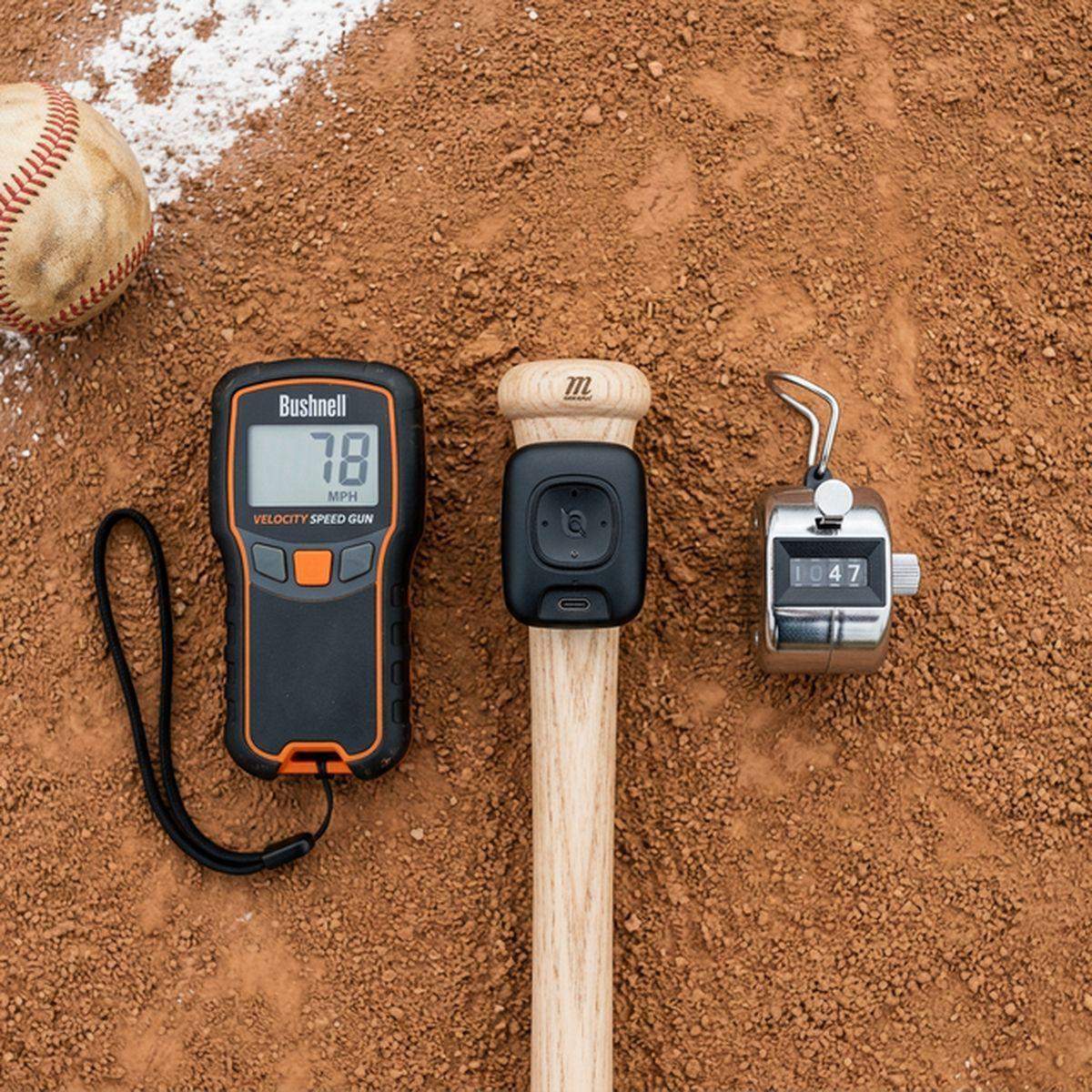
For most youth baseball families, the best baseball swing analyzer is Blast Baseball. It is the safest default because it attaches to a normal bat, sends feedback to the Blast app, and focuses on metrics parents and coaches can actually use: bat speed, attack angle, time to contact, swing path, and video clips with metric overlays.
The best alternative is Diamond Kinetics DK Bat Sensor. Diamond Kinetics is stronger for families who want a more app-driven training environment with benchmarks, lessons, games, challenges, and swing data in one ecosystem.
Do not buy a swing analyzer as a shortcut around fundamentals. A bat sensor helps most when the player already takes regular tee work, front toss, or cage swings and has one specific coaching cue to track.
Quick Picks
| Need | Best fit | Why |
|---|---|---|
| Best overall | Blast Baseball Swing Analyzer | Cleanest parent-friendly path for swing metrics and video feedback |
| Best app ecosystem | Diamond Kinetics DK Bat Sensor | Strong for lessons, challenges, games, and progress tracking |
| Best first step before tech | Tee plus practice net | Creates the reps a sensor needs before the data matters |
| Best support tool | Phone video app | Adds visual context to bat-speed and attack-angle numbers |
How to Choose a Baseball Swing Analyzer
A baseball swing analyzer is useful because it turns batting practice into repeatable feedback. The useful question is not “what was the biggest number today?” It is “did the player make the same swing change more consistently this week?”
For youth hitters, prioritize:
- Simple setup: a sensor that attaches quickly and does not interrupt practice.
- Coach-readable metrics: bat speed, attack angle, time to contact, and swing path are more useful than a huge dashboard.
- Video context: numbers make more sense when the hitter can see the swing.
- Age fit: younger hitters need reps and confidence; older travel and high school hitters can handle more data.
- No static price assumptions: Amazon and manufacturer pricing changes often, so use the product links for current pricing.
Best Overall: Blast Baseball Swing Analyzer
Blast Baseball is the default pick for most families because it balances useful swing data with a simple workflow. Blast says the current Baseball Swing Analyzer includes the sensor, bat attachment, and membership access, and that it tracks swing path, bat speed, time to contact, attack angle, and other metrics. Blast also highlights auto-clipped swing video with overlaid metrics, which is the feature that makes the data easier for a parent or coach to explain.
The most useful Blast workflow is simple: take 10 to 15 swings, review the trend, pick one cue, then put the phone away. For example, if a hitter is working on staying through the zone, the coach can watch attack angle and video together instead of chasing one big bat-speed number.
 Best Overall
 Blast Motion
Blast Baseball Swing Analyzer
Bat-speed, attack-angle, time-to-contact, swing-path, and video feedback for regular hitting practice
Best for: youth and teen hitters who practice consistently and need simple feedback between lessons.
Skip it if: the player still needs basic stance, contact, and tee-work habits before looking at swing data.
Best App Ecosystem: Diamond Kinetics DK Bat Sensor
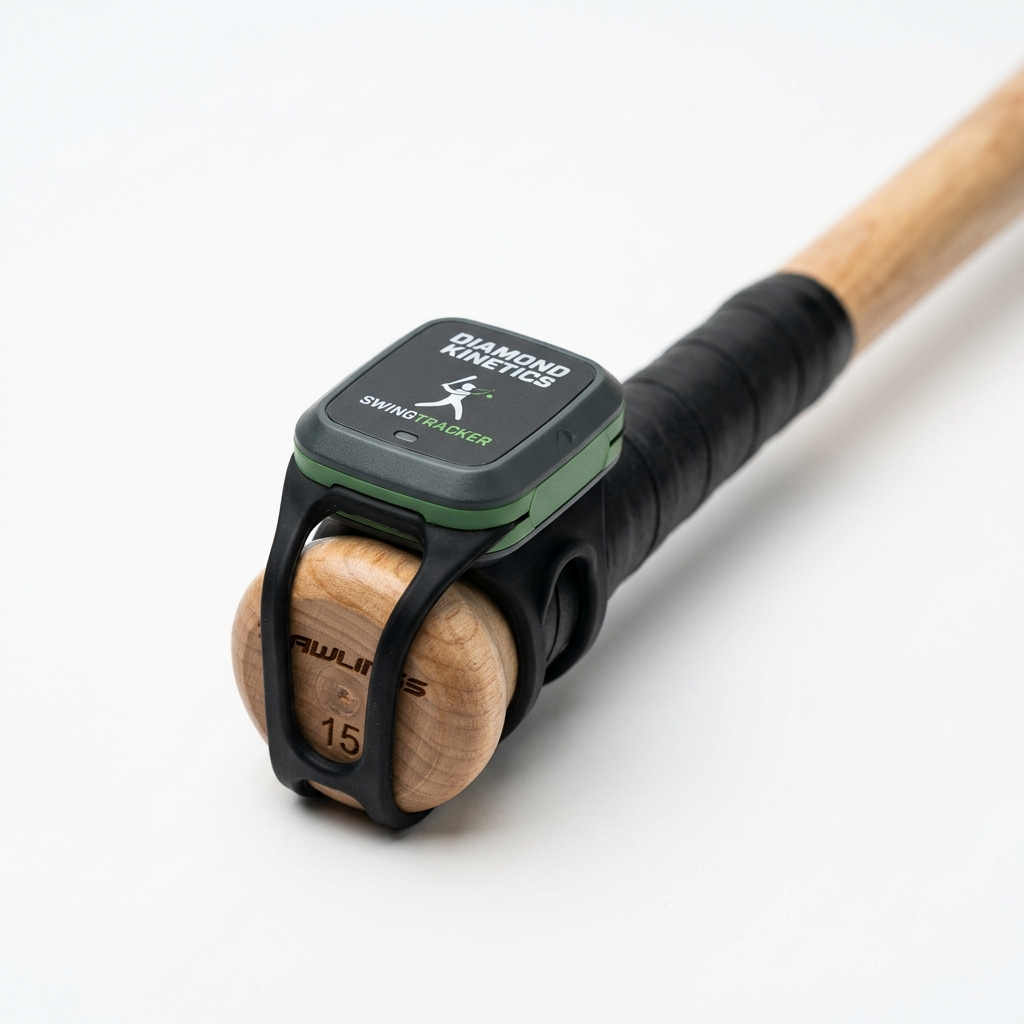
Diamond Kinetics is the better fit for families who want a more app-centered training experience. Diamond Kinetics says the DK Bat Sensor attaches to any bat, uses Bluetooth to send swing data to the Diamond Kinetics mobile app, and supports metrics, interactive lessons, games, and challenges.
That makes Diamond Kinetics appealing for players who stay engaged by goals and app feedback. It is also useful when a parent wants one environment for practice history instead of scattered notes and videos.
The tradeoff is that a richer app can create more noise. If the player is younger or easily distracted by leaderboards, keep the session focused on one metric at a time.
 Best App
 Diamond Kinetics
Diamond Kinetics DK Bat Sensor
Bluetooth bat sensor with swing data, lessons, games, challenges, and app-based progress tracking
Best for: motivated players who like app goals and families already interested in Diamond Kinetics training tools.
Skip it if: you want the simplest possible parent dashboard.
What Swing Metrics Actually Mean
Swing analyzers are only helpful when the family understands the data. These are the metrics worth watching first:
| Metric | What it tells you | How to use it |
|---|---|---|
| Bat speed | How fast the bat is moving through the swing | Track trend over weeks, not single-swing highs |
| Attack angle | Whether the bat is moving up, down, or level through the hitting zone | Pair with video so the hitter can see the barrel path |
| Time to contact | How long the swing takes from move to contact | Use with coaching, not as a race to swing early |
| Swing path | How the barrel travels through the zone | Useful for fixing casting, rolling over, or cutting under the ball |
| Video overlay | Swing footage plus metrics | Best way to connect numbers to a visible movement |
Blast’s own swing-metric education explains time to contact, hand speed, and related metrics as training feedback, not as isolated scouting numbers. That is the right mindset for youth players.
When a Swing Analyzer Is Worth It
A swing analyzer is worth buying when three things are true:
- The player already practices at least a few times per week.
- The player or coach has a specific mechanical goal.
- The family will review trends weekly instead of checking every swing.
For most players under age 10, spend first on a tee, practice net, safe balls, and quality reps. For ages 11 and up, a sensor can be useful if the player is mature enough to connect numbers to a simple practice goal.
For the broader home setup, use our baseball training equipment guide. For radar guns and pitch-count tools, see our baseball radar guns and bat sensors guide.
Common Mistakes Parents Make
Chasing bat speed only: Bat speed matters, but a faster bad swing is still a bad swing. Pair speed with path, contact quality, and video.
Checking the app after every swing: This breaks rhythm. Review in small blocks, then return to hitting.
Comparing kids: Youth swing numbers vary by age, strength, bat size, and maturity. Track the player’s trend first.
Using data without a drill: A sensor should point to the next practice cue. If the data does not change the next drill, it is just noise.
Buying tech before reps: A swing analyzer needs swings to analyze. Start with the tee and net if the player cannot already practice consistently.
Bottom Line
Choose Blast Baseball if you want the cleanest baseball swing analyzer for most youth hitters. Choose Diamond Kinetics DK Bat Sensor if your player wants a more app-driven practice environment with lessons and challenges.
Either way, keep the tool in its proper role. A bat sensor is a feedback loop, not a hitting coach. Use it to make one practice goal clearer, then let the player keep swinging.
FAQ
Are baseball swing analyzers worth it for youth players?
They are worth it for motivated players who already practice consistently and can focus on one or two metrics with a coach or parent. Younger beginners usually get more value from a tee, net, and simple contact drills first.
What is the best baseball swing analyzer for most families?
Blast Baseball is the safest default for most families because it combines bat-speed, attack-angle, time-to-contact, swing-path, and video feedback in a parent-friendly workflow.
Is Diamond Kinetics better than Blast Baseball?
Diamond Kinetics can be better for players who like app-based lessons, games, challenges, and benchmark-style feedback. Blast is usually simpler for families who want quick swing metrics and video context.
Can a bat sensor be used in games?
Treat bat sensors as practice tools. Many leagues restrict electronic devices attached to bats during games, so check your league rules before using any sensor outside training.
What age should use a baseball swing analyzer?
Most families should wait until about age 11 or older, when the player has enough swing consistency and maturity to act on feedback. Some younger travel players can use one with careful adult guidance.
Sources
How we evaluate: We combine manufacturer documentation, independent user feedback, and parent-focused criteria like safety, durability, ease of use, and long-term value.
Accuracy note: Pricing and product availability can change. Verify details on the retailer site before purchase.
Affiliate Disclosure: Sports Gadget Review is a participant in the Amazon Services LLC Associates Program. When you purchase through links on this page, we may earn a commission at no extra cost to you. Editorial recommendations are made independently.