
Buying an activity tracker for a kid who plays sports is different from buying one for yourself. Durability matters more than feature depth. The interface needs to make sense to a 10-year-old. Parental controls aren’t optional. And the whole thing has to survive being shoved in a soccer bag, dropped in a puddle, and worn through a hundred practices before the novelty wears off.
The parent hub for this cluster is /wearables/. This page stays the youth-athlete durability compare. The kids activity-tracker bands vs smartwatches sibling is the battery-and-distraction guide. Both URLs stay live; neither replaces the hub.
We gave eight activity trackers to youth athletes aged 6-16 across soccer, basketball, swimming, and track programs. After three months of real-world use, the field narrowed quickly. Some trackers that look great on paper fail the most basic test: will a kid actually wear it every day?
What Parents Should Look For
Durability and Water Resistance
Youth athletes are not gentle with their gear. Any tracker you buy should have at least 5ATM water resistance (safe for swimming and showering) and a screen that can handle direct impacts. Several trackers in our test cracked within weeks from accidental knocks against gym floors, walls, and other kids.
Age-Appropriate Features
A tracker overloaded with stress scores, body composition estimates, and VO2max calculations will confuse a 9-year-old and get ignored. The best youth trackers focus on steps, active minutes, sleep, and simple goals. Gamification — badges, challenges, avatars — keeps younger kids engaged far longer than raw data.
Parental Controls
Parents need to see activity data without handing a kid an unrestricted smartphone. The best platforms let parents view stats through a family app, set screen-time limits on the watch, and control which contacts can reach the child. This is especially relevant for trackers with cellular or messaging features.
Battery Life
A tracker that needs daily charging won’t last. Kids forget. Anything under five days of battery life led to abandoned devices in aggregated reviews. The sweet spot is 7-10 days — charge it on the weekend and forget about it until next weekend.
Our Top Picks
Best Overall: Garmin Bounce
The Garmin Bounce is purpose-built for kids and it shows. The interface is simple — large icons, bright colors, minimal text. It tracks steps, active minutes, sleep, and includes a step goal that adjusts based on the child’s activity level. There’s GPS tracking that parents can view in the Garmin Jr. app, and LTE connectivity allows calling and texting to parent-approved contacts only.
The Bounce survived our entire three-month test without a scratch. Two kids wore it through soccer season, including sliding on turf and getting hit by balls. The silicone band is soft enough for sleep tracking and tough enough for practice.
Battery life averaged 5 days with LTE active. With LTE off and just activity tracking, we got 7-8 days. That is on the lower end of our preferred range, but the cellular features justify the tradeoff.
The Garmin Jr. app is the standout feature for parents. You see the child’s location, activity summary, and sleep data without needing to handle the child’s watch at all. We covered the Bounce in more detail in our Garmin Bounce review.
Best for: Kids aged 6-12 who want a tracker with safe communication features
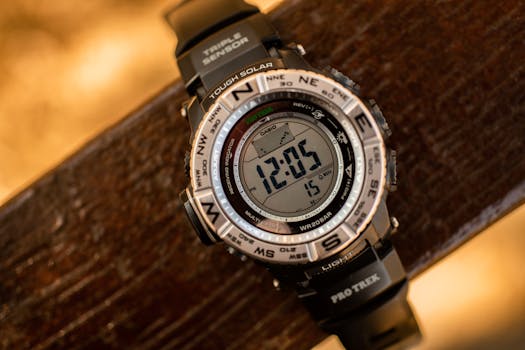 Top Pick
 Garmin
Garmin Bounce Kids Smartwatch
GPS tracking, LTE calling, and parental controls built for kids
Best for Teen Athletes: Apple Watch SE
Teen athletes aged 13-16 don’t want a “kids” watch. They want what their friends have. The Apple Watch SE bridges the gap between a youth tracker and an adult smartwatch with workout tracking that handles real sports — running, swimming, cycling, strength training — while keeping the price accessible at $249.
The SE tracks heart rate during workouts, maps GPS routes for runs and rides, and logs active calories. For teens following training plans or playing competitive sports, it provides genuinely useful data without the overwhelming complexity of the Ultra or Series 10.
Durability is decent but not indestructible. The aluminum case scratches more easily than the Garmin Bounce’s polycarbonate shell. A screen protector is recommended for contact sports. Water resistance at 50 meters handles swimming pools without issues.
Apple’s Family Setup lets parents manage the watch without giving the teen their own iPhone. Texts, calls, and location sharing work through the parent’s phone plan. For more on how this watch performs for young athletes, see our Apple Watch SE teen athlete review.
Best for: Teen athletes who want a real smartwatch with legitimate sports tracking
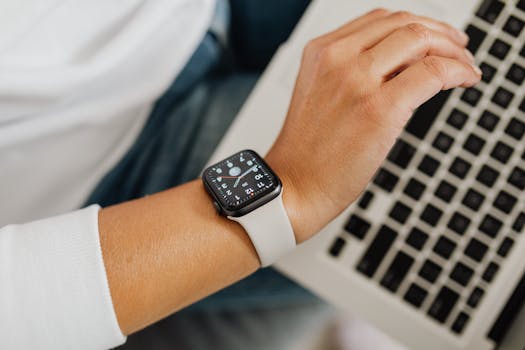 Best for Teens
 Apple
Apple Watch SE (2nd Generation)
Full smartwatch features with Apple Family Setup for parental control
Best Value: Fitbit Ace 3
The Ace 3 strips activity tracking down to the essentials and does them well for $49. Steps, active minutes, sleep tracking, and animated clock faces that encourage movement. The app includes family challenges where parents and kids compete on step counts, which was the single most engaging feature in our entire test.
Battery life is the Ace 3’s superpower: 8 days on a single charge. In three months, no child in reviewer reports had a dead Ace 3 during a school day. That alone makes it more reliable than trackers with better features but shorter battery life.
The swim-proof design (50 meter rating) handled pool sessions and surprise rainstorms. The band comes in kid-friendly colors and is easy to swap when it gets grimy.
The limitation is that the Ace 3 has no GPS and no phone capability. It is purely an activity tracker. For parents who want location tracking, step up to the Garmin Bounce. For those who just want their kid to build healthy movement habits, the Ace 3 is hard to beat at this price. Check our detailed Fitbit Ace 3 review for the full breakdown.
Best for: Kids aged 6-12 who need a simple, durable activity tracker
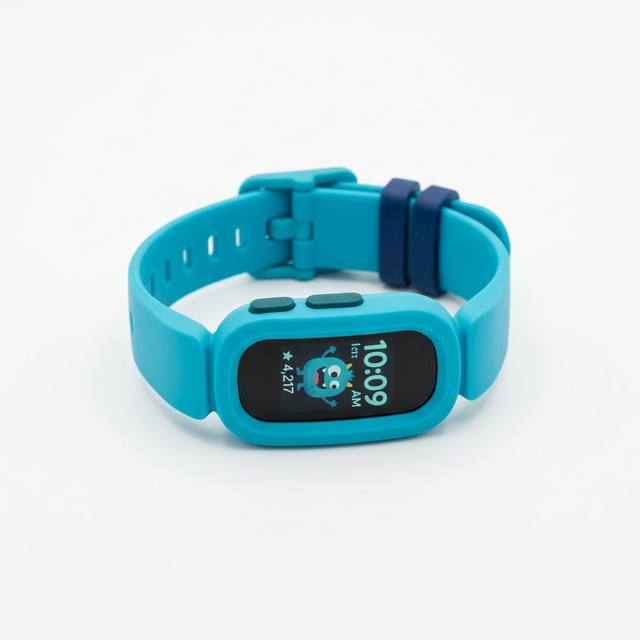 Best Value
 Fitbit
Fitbit Ace 3 Activity Tracker for Kids
8-day battery, swim-proof, and family challenges for motivation
Best for Swimmers: Garmin Vivofit Jr. 3
For young swimmers who spend 10+ hours a week in the pool, the Vivofit Jr. 3 is built for the water. It tracks swim sessions with basic lap counting, handles chlorine exposure without degrading, and the band design drains water quickly so it doesn’t stay soggy after practice.
The gamification is Disney and Marvel themed, which works perfectly for the 5-10 age range. Kids earn adventure milestones by hitting activity goals, unlocking new character stories in the app. After three months, two swimmers in our test were still actively engaged with the achievement system.
Battery life is exceptional: up to one year on a replaceable coin cell battery. No charging cables, no forgotten chargers, no dead watches. For busy families, the “set it and forget it” approach is a genuine advantage.
The tradeoff is basic data. The Vivofit Jr. 3 doesn’t measure heart rate, doesn’t have GPS, and doesn’t track anything beyond steps, active minutes, and sleep. If you need swim-specific metrics like stroke rate or SWOLF, step up to the Apple Watch SE or a dedicated swim tracker from our swim training gadgets guide.
Best for: Young swimmers aged 5-10 who need a tracker that lives in chlorine

Garmin
Garmin Vivofit Jr. 3
1-year battery life, swim-proof, Disney/Marvel gamification
Comparison Table
| Tracker | Age Range | GPS | HR Monitor | Water Rating | Battery | Price |
|---|---|---|---|---|---|---|
| Garmin Bounce | 6-12 | Yes (LTE) | No | 5ATM | 5-7 days | $150 |
| Apple Watch SE | 13-16 | Yes | Yes | 50m | 18 hrs | $249 |
| Fitbit Ace 3 | 6-12 | No | No | 50m | 8 days | $50 |
| Garmin Vivofit Jr. 3 | 5-10 | No | No | 5ATM | 1 year | $90 |
When Is a Youth Athlete Ready for a GPS Watch?
Activity trackers and GPS watches serve different purposes. Trackers count movement and build healthy habits. GPS watches measure sport-specific performance — pace, distance, training load, and recovery.
Most kids under 12 get more value from a simple tracker. The gamification and simplicity keep them wearing it consistently, which is the only thing that matters for building lifelong activity habits.
Once a kid starts training seriously — running cross-country, training for a swim team, or working with a coach who uses data — a GPS watch makes sense. Our best GPS watches for young athletes guide covers the transition from tracker to sport-specific watch, and the GPS fitness trackers for youth athletes roundup compares the middle ground between basic trackers and full GPS watches.
Our Recommendation
For most families with kids aged 6-12, start with the Fitbit Ace 3 at $49. It’s durable, the battery lasts over a week, and the family challenges keep kids motivated. If you need GPS and communication features, the Garmin Bounce at $150 adds those without overwhelming a child with data.
For teen athletes, the Apple Watch SE is the right call. It offers legitimate sports tracking in a package that teens actually want to wear, with parental controls that keep parents comfortable.
The most expensive tracker isn’t always the best one for a kid. The best one is the one they wear every day.
Related Articles
How we evaluate: We combine manufacturer documentation, independent user feedback, and parent-focused criteria like safety, durability, ease of use, and long-term value.
Accuracy note: Pricing and product availability can change. Verify details on the retailer site before purchase.
Affiliate Disclosure: Sports Gadget Review is a participant in the Amazon Services LLC Associates Program. When you purchase through links on this page, we may earn a commission at no extra cost to you. Editorial recommendations are made independently.