Recovery is where athletic development actually happens. The training stimulus breaks down muscle fibers and taxes the nervous system, recovery is when the body rebuilds stronger. For youth athletes, recovery matters more than it does for adults, because growing bodies are already doing biological work just keeping up with puberty.
The question is whether technology actually helps, or whether it just creates anxiety among parents and athletes who are already doing fine.
The honest answer: it depends entirely on training load and age.
When Recovery Tech Starts to Matter
For athletes practicing 2–3 times per week in recreational settings, recovery technology is a solution to a problem that doesn’t exist. Kids at this activity level recover in 48 hours between sessions with nothing more than sleep and food.
Recovery monitoring becomes genuinely useful when athletes are:
- Training 10+ hours per week (competitive travel teams, club programs)
- In-season with back-to-back competition days (tournaments, shows)
- Approaching puberty growth spurts, a period when training-to-recovery ratio is naturally disrupted
- Showing signs of fatigue accumulation: declining performance despite consistent training, persistent soreness, mood changes, disrupted sleep
If your athlete checks any of these boxes, here’s what the technology can actually do.
Sleep: The Most Underrated Recovery Tool
Before spending anything on recovery tech, solve sleep first. No device, supplement, or massage protocol delivers better recovery per dollar than an additional 30–60 minutes of sleep per night.
Youth athletes ages 6–12 need 9–11 hours. Athletes ages 13–18 need 8–10 hours. Most competitive teen athletes sleep 6–7 hours during the school week. That gap, 2–3 hours per night, is the single biggest recovery deficit in youth sports.
Sleep Tracking That Actually Works
Fitbit Charge 6 ($159), For teens who want wearable sleep tracking, Fitbit’s sleep staging (REM, deep, light) is the most reliable in the consumer wearable space under $200. The Sleep Score feature (0–100) gives athletes a daily sleep quality number that correlates well with how they feel during training.
Whoop 4.0 (subscription: $30/month), Whoop’s recovery score is built specifically around HRV (heart rate variability), the best physiological marker of readiness for training. The “Strain Coach” tells athletes how hard to push on a given day based on their recovery state. For teens 15+ training at serious competitive levels, Whoop provides more actionable data than any fitness tracker. The monthly subscription cost limits its practical audience to athletes for whom training outcomes are high-stakes.
Oura Ring Gen 3 ($299 + optional subscription), The most comfortable sleep tracker available, worn as a ring rather than a wristband. Athletes who resist wearing a watch to bed often accept the Oura ring. Sleep staging accuracy is published peer-reviewed research. For serious athletes with wrist sensitivity from sports (gymnastics, wrestling, tennis), Oura is the best alternative form factor.
Nutrition Tracking for Young Athletes
Nutrition technology for youth athletes is a nuanced category. Done wrong, it creates an unhealthy relationship with food. Done right, it builds awareness of fueling basics that serve athletes for life.
The golden rules for youth nutrition tracking:
- Never use calorie restriction as a goal with young athletes
- Focus on timing (eat before/after practice) rather than totals
- Use tracking to identify missing nutrients (protein, iron, calcium) rather than to limit intake
Apps Worth Using
Cronometer (Free / $8.99/month premium), Cronometer is the most nutritionally detailed tracking app available. Unlike MyFitnessPal, which focuses on calories, Cronometer breaks down micronutrients including calcium, iron, magnesium, zinc, and B vitamins, the nutrients youth athletes most commonly under-consume. For parents who want to know if their child is eating enough protein, Cronometer is the right tool.
PlateJoy ($9.99/month), Meal planning rather than tracking. PlateJoy builds weekly meal plans around athletic goals, dietary restrictions, and family schedules. Better for families who want to optimize what’s going into the fridge rather than audit what’s been eaten.
Hydration Coach (Free), Simple hydration reminder app. For youth athletes, the practical hydration target is 8–12 oz of water before practice, sips during breaks, and 16–24 oz after. Most athletes this age don’t need an app, they need a labeled water bottle and a habit of drinking before feeling thirsty.
Hydration Monitoring Hardware
HidrateSpark PRO Smart Water Bottle ($80), A Bluetooth water bottle that tracks intake and sends reminders to drink. Syncs with Apple Health and Fitbit. For athletes who consistently underhydrate and need reminders, this is genuinely useful. For athletes who drink adequately already, it’s a $80 bottle.
Nix Hydration Biosensor ($149 + consumable patches), A biosensor worn on the upper arm that measures electrolyte loss through sweat in real time. This is elite-level technology that NFL and NBA trainers use. For youth athletes competing in hot environments (summer tournaments, indoor gyms), knowing whether your athlete is losing sodium faster than average is legitimately useful and actionable. The consumable patch model adds ongoing cost.
Muscle Recovery Tools
Ice and Compression
NormaTec PULSE 2.0 Leg Recovery System ($895), Full-leg pneumatic compression boots used by professional and college athletes for post-game recovery. The price makes this a facility investment rather than a household purchase for most families. Some sports performance centers rent them by the session.
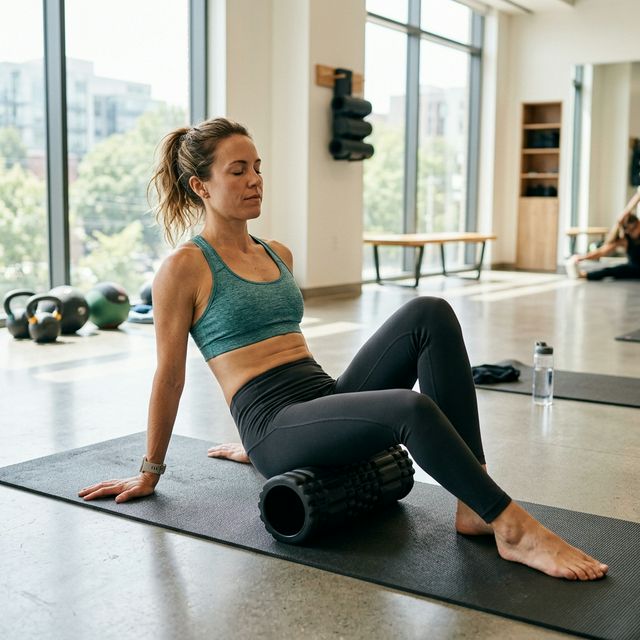
Amazon Basics Foam Roller ($20), Before buying anything else in this category, every youth athlete should own a foam roller and use it correctly. Ten minutes of targeted foam rolling post-practice, quads, IT band, calves, thoracic spine, meaningfully reduces next-day muscle soreness for athletes training 3+ days per week. At $20, the ROI is unmatched.
Theragun Prime ($199), Percussive massage devices deliver mechanical stimulation that accelerates blood flow in targeted muscle groups. The Theragun Prime is the most accessible entry point from the brand that defined this category. For competitive athletes with regular muscle tightness, it’s a legitimate recovery tool. For recreational athletes, a foam roller covers most of the same territory at 10% of the cost.
Hyperice Venom 2 Leg ($179), Combines heat and vibration in a wearable sleeve. Particularly effective for quad and hamstring recovery in running athletes. Pre-game warmup use (heat) and post-game recovery use (vibration) in one product.
Building a Recovery Routine: By Age and Level
Ages 8–12 (recreational, 2–3x/week): Sleep 9–11 hours, eat protein within 30 minutes post-practice, drink water regularly. No technology needed. No supplements needed. The single highest-use intervention is making sure they’re sleeping enough.
Ages 12–15 (competitive, 8–12 hrs/week): Add a Fitbit or similar for sleep monitoring. Have a conversation about what recovery data means. Introduce foam rolling as a practice-ending habit. Consider Cronometer for a 2-week nutritional audit to identify iron or calcium shortfalls (common in this age group, especially female athletes).
Ages 15–18 (serious competitive, 15+ hrs/week): HRV monitoring via Whoop or Garmin Body Battery becomes genuinely actionable at this level. Percussive massage device (Theragun) if budget allows. Structured nutrition timing matters, a protein-containing snack within 30 minutes post-training is well-supported by the research at this intensity level.
What to Skip
Recovery drinks for under-16s: Unless your athlete is training twice daily or doing sessions exceeding 90 minutes, sports drinks and recovery shakes are unnecessary for youth athletes. Chocolate milk (protein + carbs + calcium) has the same peer-reviewed recovery data as most commercial products at a fraction of the cost.
Altitude tents: Extremely expensive, questionable benefit for youth athletes whose aerobic systems are already developing rapidly through normal training.
Cryotherapy: Beneficial for acute injury management; marginal evidence for routine recovery use in youth athletes.
Bottom Line
Spend money on sleep first (blackout curtains, consistent bedtime, no screens 30 minutes before bed, all free). Then address nutrition basics. Then consider technology only if your athlete is training at a level where the data will actually change how you coach their recovery.
For most youth sports families, a foam roller, Fitbit Charge 6, and Cronometer free tier covers every meaningful recovery monitoring need for under $200 total.
Related Articles
How we evaluate: We combine manufacturer documentation, independent user feedback, and parent-focused criteria like safety, durability, ease of use, and long-term value.
Accuracy note: Pricing and product availability can change. Verify details on the retailer site before purchase.
Affiliate Disclosure: Sports Gadget Review is a participant in the Amazon Services LLC Associates Program. When you purchase through links on this page, we may earn a commission at no extra cost to you. Editorial recommendations are made independently.