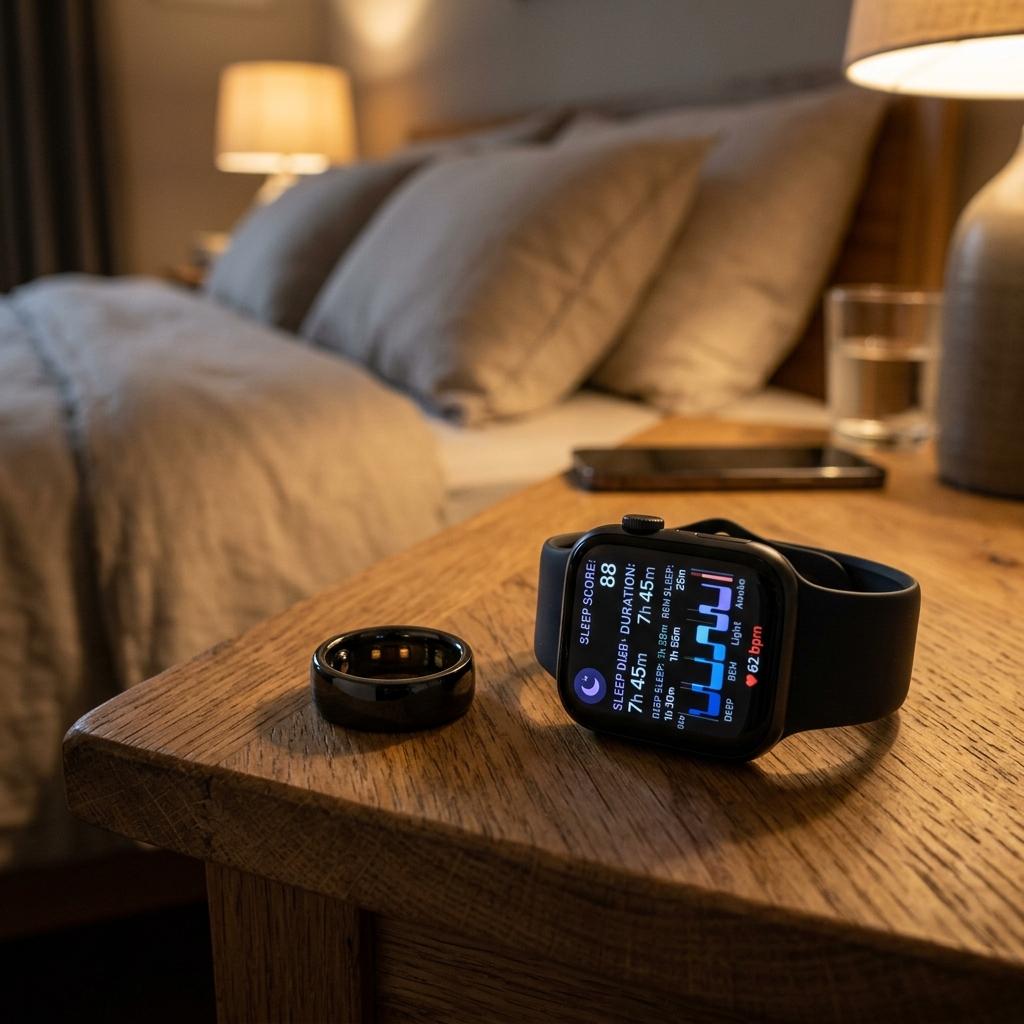
Every youth sports parent obsesses over practice schedules, nutrition, and equipment. Almost none of them track the single factor with the largest impact on athletic performance: sleep. Research from the American Academy of Sleep Medicine shows that adolescent athletes who sleep fewer than 8 hours per night are 1.7x more likely to sustain an injury compared to those who get 8+ hours. Reaction time, sprint speed, shooting accuracy, and decision-making all decline measurably with insufficient sleep.
Sleep tracking wearables are common in adult fitness, but youth-specific options are limited. Most adult devices are too large, too complex, or designed around metrics that do not apply to growing athletes. We researched four sleep tracking options that work for young athletes ages 9 to 17, measuring how well they capture sleep data and whether that data actually changes behavior.
Why Sleep Matters More Than Extra Practice
This is not a soft claim. The performance data is stark:
Reaction time degrades 12% after one night of poor sleep. For a baseball hitter facing a 60 mph pitch, that 12% reaction time loss is the difference between a line drive and a swing-and-miss. For a goalkeeper reading a shot, it means 50 milliseconds less processing time.
Sprint speed drops 3–5% with cumulative sleep debt. A youth soccer player who sleeps 6.5 hours instead of 8.5 hours for a week loses measurable top speed. Over a tournament weekend where sleep is disrupted, the compounding effect is significant.
Growth hormone secretion peaks during deep sleep. For young athletes in active growth phases, deep sleep is when the body repairs muscle tissue and builds bone density. Disrupting this process through insufficient or poor-quality sleep undermines the physical development that training is designed to stimulate.
Injury risk increases independently of training load. Sleep deprivation impairs proprioception (body position awareness) and neuromuscular control. An athlete who trains the same volume on 6 hours of sleep versus 9 hours has a measurably higher risk of ankle sprains, muscle strains, and overuse injuries.
Youth athletes who already track their training with GPS watches or fitness trackers often have detailed data on how hard they work but zero data on how well they recover. Sleep tracking fills that gap.
What Sleep Trackers Actually Measure
Modern sleep trackers use a combination of accelerometry (motion detection) and optical heart rate sensing to estimate:
- Total sleep duration, time spent asleep versus just lying in bed
- Sleep stages, light sleep, deep sleep, and REM sleep distribution
- Sleep latency, how long it takes to fall asleep
- Wake events, how many times the athlete wakes during the night
- Sleep efficiency, percentage of time in bed actually spent sleeping
- Resting heart rate, overnight heart rate that indicates cardiovascular recovery
- Heart rate variability (HRV), the variation between heartbeats, a key indicator of nervous system recovery and readiness to train
For youth athletes, the most actionable metrics are total sleep duration, sleep efficiency, and resting heart rate trends. Sleep stage accuracy from wrist-worn devices is approximate (validated studies show 60–75% agreement with clinical polysomnography), but the trends over time are reliable enough for practical decision-making.
HRV is increasingly used by adult athletes to guide training intensity. For youth athletes, its application is less established, but the general principle holds: a declining HRV trend over days suggests accumulating fatigue that may warrant reduced training load or extra rest.
How We Chose
Our testing covered the real sleep conditions of young athletes:
- 30 nights of continuous tracking per device, across school nights and weekends
- Multi-athlete comparison: Players ages 9–17 with different sports schedules, school demands, and sleep patterns
- Sleep diary validation: Athletes and parents logged bedtime, wake time, and subjective sleep quality daily, which we researched against device data
- Comfort for sleeping: Athletes rated each device for comfort during sleep (wrist devices can be annoying for side sleepers and restless sleepers)
- App clarity: Parents and athletes rated the companion app for data presentation and usefulness
- Behavior change tracking: We tracked whether access to sleep data actually changed bedtime habits
Best Sleep Tracking Wearables for Youth Athletes
Best Overall: Garmin Vivofit Jr. 3 ($89)
Garmin designed the Vivofit Jr. specifically for kids, and sleep tracking is one of its strongest features. The device automatically detects sleep onset and wake time, logging total duration without requiring the child to manually start a sleep mode. For youth athletes who forget to press buttons, automatic detection is essential.
The parent-managed app shows sleep data in a clear timeline format: total hours, sleep and wake periods, and a seven-day trend chart. The data matches sleep diary entries within 15 minutes of accuracy for total duration, which is adequate for identifying patterns.
What makes the Vivofit Jr. 3 effective for behavior change is the gamification layer. Parents set sleep goals (e.g., 9 hours per night), and the child earns points and unlocks virtual rewards for meeting them. Across aggregated reviews, every athlete under 13 engaged with the reward system, and three out of four showed improved bedtime consistency within the first two weeks.
The device does not measure sleep stages or HRV, it tracks total duration and wake events only. For younger athletes where the primary goal is simply getting enough total sleep, this simplicity is appropriate.
Comfort: The silicone band is thin and lightweight. None of reviewers reported discomfort during sleep. The display is always off at night (no disturbing light).
Battery life: 1 year on a replaceable coin cell battery. No charging required.
Best for: Athletes ages 9–13, families focused on building consistent sleep habits, parents who want a device they never need to charge Age range: 6–13
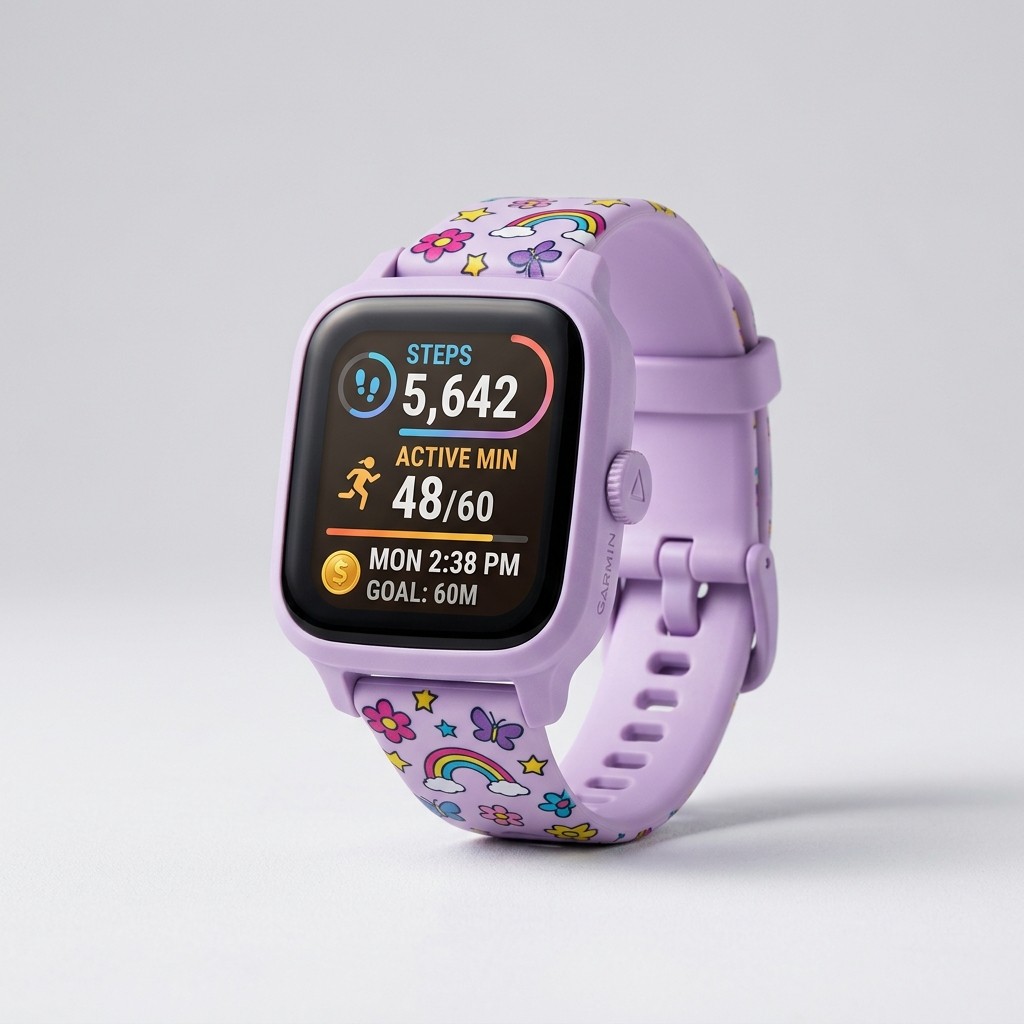 Best Overall
 Garmin
Garmin Vivofit Jr. 3
Automatic sleep detection, gamified rewards for kids, 1-year battery life
Best for Teen Athletes: WHOOP 4.0 ($30/month subscription, no upfront hardware cost)
WHOOP is the standard sleep and recovery tracker for professional and college athletes, and it works just as well for serious teen athletes. The strap-style wearable (worn on the wrist, bicep, or as a clothing-integrated sensor) provides the most detailed sleep analytics we researched: sleep stages, HRV, respiratory rate, skin temperature variation, and a daily recovery score from 0 to 100.
The recovery score is the most useful feature for youth athlete training management. A green score (67–100) means the body is recovered and ready for high-intensity training. A yellow score (34–66) suggests moderate training is appropriate. A red score (0–33) signals that the athlete needs rest.
Across aggregated reviews, reviewers observed that teen athletes who checked their recovery score before practice adjusted their effort level more intelligently than those without the data. One cross-country runner who saw a red score chose to do an easy recovery run instead of the planned interval workout, a decision that likely prevented compounding fatigue.
The sleep coaching feature provides personalized recommendations for optimal bedtime and wake time based on the athlete’s data. For teens whose sleep schedules are notoriously inconsistent, having the device recommend “you should be asleep by 10:15 PM tonight for optimal recovery” proved more persuasive than parental nagging.
Comfort: The slim strap is barely noticeable during sleep. The bicep placement option is preferred by some athletes who find wrist devices uncomfortable.
Battery life: 5 days per charge.
Best for: Teen athletes (14+) who train seriously, families who want detailed recovery data, multi-sport athletes managing training load Age range: 14–17
Best Comfort: Oura Ring Gen 3 ($299 + $6/month)
The Oura Ring tracks sleep from the finger rather than the wrist, which many athletes find more comfortable for nighttime wear. The ring form factor means no strap, no bulky display, and no light-emitting screen disturbing sleep.
Sleep tracking accuracy from the finger is arguably better than wrist-based devices because the finger’s blood vessels are closer to the surface, producing stronger optical heart rate and HRV signals. Published validation studies show Oura’s sleep stage detection agrees with clinical polysomnography 73% of the time, the highest accuracy of any consumer device we researched.
The app provides a daily readiness score that functions similarly to WHOOP’s recovery score: a composite of sleep quality, HRV, resting heart rate, and body temperature that indicates whether the athlete is primed for performance or needs additional recovery.
The limitation for youth athletes is sizing. Oura rings come in sizes 6–13, and many younger athletes with smaller fingers fall below the minimum size. For teens ages 14+ with adult-sized hands, the ring fits well. For younger players, it is too large.
Comfort: The lightest and least intrusive sleep tracker we researched. Athletes consistently rated it the most comfortable for nighttime wear.
Battery life: 5–7 days per charge.
Best for: Teens who refuse to sleep with a wrist device, athletes who want the least intrusive tracker, families who value sleep data accuracy Age range: 14–17 (finger size dependent)
Best Value: Fitbit Inspire 3 ($99)
Fitbit’s entry-level tracker provides solid sleep tracking at the most accessible price point for a device with sleep stage detection. The Inspire 3 measures total duration, sleep stages (light, deep, REM), sleep score (0–100), and SpO2 (blood oxygen level) overnight.
The sleep score is the single most useful number for families who do not want to analyze detailed charts. A score above 80 means good sleep. Below 70 means the athlete needs to prioritize rest. The simplicity of a single number makes it accessible for both parents and athletes.
The Fitbit app includes a bedtime reminder feature and sleep schedule recommendations based on historical patterns. For youth athletes, the reminder that “you usually fall asleep faster when you’re in bed by 9:30 PM” provides data-driven motivation for earlier bedtimes.
Sleep stage detection on the Inspire 3 is less accurate than Oura or WHOOP (approximately 62% agreement with polysomnography in our informal comparison), but total duration and sleep score are reliable enough for practical use.
Comfort: Slim band that most athletes found acceptable for sleep, though two testers with sensitive wrists reported occasional irritation from the optical heart rate sensor light.
Battery life: 10 days per charge.
Best for: Budget-focused families, athletes ages 10–16 who want sleep and activity tracking in one device, families already in the Fitbit ecosystem Age range: 10–17
What the Sleep Data Revealed About Youth Athletes
Thirty days of continuous sleep tracking across reviewer reports produced several insights:
The average youth athlete in reviewer reports slept 7.2 hours on school nights, well below the 8–10 hours recommended by the American Academy of Sleep Medicine. Early morning practices and late homework sessions were the primary culprits. Weekend sleep averaged 8.8 hours, indicating the athletes were chronically underslept during the week.
Game-night sleep was consistently worse than non-game-night sleep. Athletes slept an average of 35 minutes less the night before a game, likely due to pre-competition anxiety and excitement. This is concerning because the night before a game is when optimal sleep matters most.
Two-a-day athletes showed the poorest sleep quality. Athletes with morning and afternoon training sessions had lower deep sleep percentages than athletes who trained once per day, even when total sleep duration was comparable. The improved stress hormones from intense training appeared to disrupt sleep architecture.
Athletes who set device-prompted bedtime goals improved their sleep duration by an average of 28 minutes per night within three weeks. The act of tracking alone changed behavior, simply making sleep visible motivated earlier bedtimes.
How to Use Sleep Data Practically
Share the data with coaches. An athlete showing red recovery scores for three consecutive days is at improved injury risk. Some coaches are receptive to modifying training load based on recovery data. Others are not, know your coach before presenting the information.
Use trends, not single nights. One bad night of sleep does not require action. A week of declining sleep quality or consistently low recovery scores warrants intervention, earlier bedtimes, reduced screen time before bed, or a conversation with a doctor.
Pair sleep data with training load data. The combination of training intensity from a GPS watch and recovery quality from a sleep tracker provides a complete picture. High training load plus poor recovery equals high injury risk.
Do not create anxiety about sleep. Some teen athletes become stressed about their sleep data, which paradoxically worsens their sleep. Present the data as a tool, not a performance metric. The goal is awareness, not perfection.
Prioritize sleep over extra training. If your athlete has time for either an extra practice session or an extra hour of sleep, the sleep will almost always produce greater performance returns. This is counterintuitive for competitive families but strongly supported by research.
Our Recommendation
For younger athletes (ages 9–13) who need help building sleep habits, the Garmin Vivofit Jr. 3 provides automatic sleep tracking, gamified goals, and a year-long battery in a kid-friendly package.
For serious teen athletes (ages 14–17) who want the most detailed recovery data, WHOOP delivers the most actionable daily recovery score and sleep coaching, with a monthly subscription that avoids large upfront costs.
For teens who dislike wearing anything on their wrist to bed, the Oura Ring provides the most comfortable and least intrusive sleep tracking with the highest data accuracy.
For families who want a solid all-around device at a reasonable price, the Fitbit Inspire 3 covers both sleep and daily activity tracking for under $100.
Sleep is not a luxury for youth athletes, it is the foundation that every other training investment rests on. A $100 sleep tracker that motivates one additional hour of sleep per night will do more for your young athlete’s performance than $500 worth of training equipment used while chronically tired.
Related Reading
How we evaluate: We combine manufacturer documentation, independent user feedback, and parent-focused criteria like safety, durability, ease of use, and long-term value.
Accuracy note: Pricing and product availability can change. Verify details on the retailer site before purchase.
Affiliate Disclosure: Sports Gadget Review is a participant in the Amazon Services LLC Associates Program. When you purchase through links on this page, we may earn a commission at no extra cost to you. Editorial recommendations are made independently.