
Heart rate on a bike is a pairing problem, not a “best sensor” trophy. The watch on the bars has to see ANT+ or Bluetooth, the strap or armband has to stay put over chipseal, and the number has to be stable enough that a Zone 2 ride does not quietly become tempo because the wrist was locked on the hoods.
This page is the cycling job: handlebar grip, road vibration, indoor-sweat electrodes, and bike-computer pairing. The general sensor-type ranking is chest strap vs wrist. Whether a wrist reading is good enough for easy aerobic work is Zone 2: wrist vs chest. Youth helmets and lights stay on youth cycling and BMX safety tech.
Desk research: Polar H10, Wahoo TICKR-family, and Garmin HRM-Dual manuals / spec sheets, plus the Amazon title mash-up those three brands create. Not a lab test this desk ran, not “1,000+ miles on our fleet,” and not a star rating. Optical sensors lag electrical ones because they read blood-volume change, not the ECG R-wave — that is physiology, not a score we invented.
Listing check: Amazon “cycling heart rate monitor” results mix (1) Polar H10 M–XXL vs the XS–S strap (different SKU, same puck), (2) Polar H10 vs H9 vs Verity Sense, (3) Wahoo TICKR vs TICKR X vs TICKR 2 vs TICKR FIT (FIT is the armband; the others are chest), (4) Garmin HRM-Dual vs HRM-Pro / Pro Plus / HRM-Fit / HRM 200, and (5) $20 “ECG” kids toys with a bike in the photo. Confirm chest vs forearm, ANT+ if the computer is a Garmin Edge or Wahoo, and how many simultaneous Bluetooth connections the sheet actually lists. Street prices move; treat any dollar figure here as a listing check, not a lock.
Who should buy this — and who should skip
Structured riders. TrainerRoad, a coach file, or anyone who treats zones as the workout. Buy a chest strap (or a serious armband) that the bike computer already speaks.
Indoor / pain-cave. Sweat is the feature for electrodes and the failure mode for a soaked optical window. A chest strap with onboard memory is the indoor convenience pick if the phone dies mid-Zwift.
Skip first. Skip a wrist-only optical watch as your only cycling HR if the work is intervals, sprints, or a hard grip on the bars — handlebar ischemia and vibration are why cycling is harder on PPG than running. Skip buying an Apple Watch Ultra 2 just to get a pulse on the bike; pair a $60–90 strap to the computer you already own. Skip a second chest strap if you already have a Polar H10 that pairs. Skip TICKR FIT if the listing photo is a chest strap (or the reverse). Skip “hospital-grade ECG” title copy on a no-name band.
Why the bike is harder on optical sensors
Running gives the wrist a swing and consistent perfusion. Cycling locks the wrists on the bars, adds vibration, and lets grip pressure starve the capillaries the green LEDs are trying to read. A wrist sensor that looks fine on an easy jog can sit several beats off on a threshold interval — enough to miss a 10–15 bpm zone.
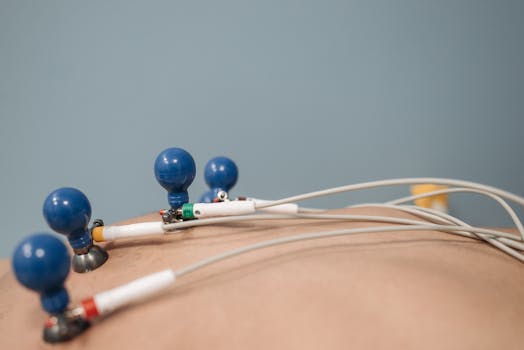
Chest straps read the electrical signal. They do not care about tattoos, skin tone, or hood grip. Armband optical sensors move to the forearm or upper arm, where the vessels are bigger and the bars are not crushing the site. Both beat a watch-back for this sport. That is the unique value vs Amazon “works with any workout” copy.
Bike-computer pairing (the actual buy filter)
| Link | Why cyclists care | Typical fail |
|---|---|---|
| ANT+ | Garmin Edge, Wahoo, most dedicated computers | BLE-only toy strap |
| Bluetooth | Phone apps, Zwift, some watches | One connection when you wanted watch and phone |
| Onboard memory | Forgot the phone / computer | Session vanishes |
| Replaceable coin cell | Seasons, not charge anxiety | Dead mid-fondo because nobody charged the puck |
Polar publishes Bluetooth + ANT+ + GymLink 5 kHz on the H10, two simultaneous Bluetooth connections, and a 400-hour CR2025. Garmin publishes dual-band (Bluetooth + ANT+) on the HRM-Dual without the extras (no running dynamics, no storage). Wahoo’s TICKR-class chest straps are the indoor-app family; TICKR FIT is the optical armband, not a cheaper TICKR.
Cycling picks (jobs, not trophies)
Best overall chest: Polar H10
Polar’s H10 sheet is why it stays the default: electrical measurement, ANT+ and Bluetooth at once, two BLE targets, one stored session if you rolled out without the phone, and a strap Polar still treats as the accuracy reference. Wet the electrodes (or use gel) in the cold; the first 30–60 seconds of a winter ride are a settle, not a defect.
Buy it when you want one puck for the Edge, the phone, and the indoor app.
Skip it when you will not wear a chest strap. That job is TICKR FIT or Verity Sense, unpacked as a type on the chest vs wrist page.
 Top Pick
 Polar
Polar H10 Heart Rate Sensor
ECG chest strap with ANT+ and two Bluetooth targets
Confirm the listing is M–XXL if that is the strap you compared. XS–S in an M–XXL photo is the listing-check fail. The ASIN above is the M–XXL card this site already uses; search if the variation dropdown has moved.
Best armband: Wahoo TICKR FIT
TICKR FIT is the optical arm sensor. It exists because some riders will not wear a chest strap. Optical will trail a hard sprint by a couple of seconds — blood-volume change is not an R-wave. Fine for zone rides. Weak for a 20-second VO2 hit you are trying to pin.
Buy it when the chest strap is the reason you quit HR training.
Skip it when the Amazon title says TICKR FIT and the pack shot is a chest transmitter, or you needed dual BLE plus memory.
 Best Arm Band
 Wahoo
Wahoo TICKR FIT Heart Rate Armband
Forearm optical — the no-chest-strap cycling option
Best budget chest: Garmin HRM-Dual
HRM-Dual does one job: accurate dual-band HR to Garmin (and anything else that speaks ANT+ / BLE). No dynamics, no storage. The strap is thinner than Polar’s; it can walk on a long climb. For an Edge 540 / 1040 household it is the obvious pair.
Buy it when you already live in Garmin Connect and want the cheap correct strap.
Skip it when you needed Pro / Pro Plus running dynamics or swim memory — those are different HRM SKUs, and the title mix is the listing-check.
 Budget Pick
 Garmin
Garmin HRM-Dual Heart Rate Monitor
ANT+ and Bluetooth chest strap without the Pro surcharge
Indoor / memory: Wahoo TICKR-class chest (X or current TICKR 2)
Indoor riding soaks optical windows. Electrodes like sweat. Wahoo’s higher TICKR chest SKUs (historically TICKR X; shop the current card that still lists onboard memory and multi-app broadcast) are the pain-cave pick: Zwift, TrainerRoad, Rouvy, SYSTM. Confirm you are not buying TICKR FIT (arm) or a memory-less TICKR at an X price.
Buy it when the trainer is the season and the phone has died mid-workout before.
Skip it when you already own an H10 — Polar’s stored session covers the same “forgot the phone” hole.

Wahoo
Wahoo TICKR X Heart Rate Monitor
Chest strap with memory — confirm the live SKU still lists storage
Watch you already wear: do not buy Ultra for the strap
Among wrist optics, a large, tight modern sensor (Apple Watch Ultra-class, recent Garmin) is the least-bad wrist on a steady ride and still the wrong only-sensor for intervals. Pair the watch for GPS / maps and put HR on a chest or armband. That hybrid is the fitness trackers vs GPS watches point, not a reason to spend $799 on pulse.

Apple
Apple Watch Ultra 2
Fine daily watch that can *pair* a chest strap — skip as a cycling-HR purchase
Sensor type vs the bike (published traits, not scores)
| Type | What it reads | Bike-specific risk | Best cycling job |
|---|---|---|---|
| Chest (H10 / HRM-Dual / TICKR) | Electrical (ECG-class) | Chafing, cold settle | Zones, intervals, indoor |
| Arm optical (TICKR FIT / Verity Sense) | PPG on the arm | Sprint lag | Riders who refuse a strap |
| Wrist optical | PPG at a gripped joint | Bars + vibration | Convenience / easy spin only |
Cycling training zones are often 10–15 bpm wide. A wrist that sits a zone high for an hour is not a “close enough” sensor — it is a different workout. New-to-zones families can start on the frozen heart rate monitors parent’s guide.
Our recommendation
Most riders who train on purpose should buy the Polar H10. It is cheaper than a mid jersey, lasts seasons on a coin cell, and talks to the computer and the phone at once.
If a chest strap is a deal-breaker, TICKR FIT is the cycling-shaped alternative. If you are already in Garmin and want the cheap correct chest, HRM-Dual. If the season is the trainer and you keep dropping the phone, shop the TICKR card that still lists memory.
Do not stack a second strap “for accuracy.” One good electrical sensor beats two listings.
Frequently asked questions
Do I need ANT+ if I only use Zwift?
Bluetooth is enough for many indoor apps. ANT+ still matters the day you bolt a Garmin or Wahoo computer on the bars. Dual-band straps avoid a second purchase.
Why does wrist HR spike when I grab the drops?
Grip pressure and a flexed wrist wreck PPG. That is the bike problem this page exists to name. Move the sensor off the wrist.
Can I use a running HRM on the bike?
Yes, if it broadcasts ANT+ or BLE the computer accepts. “Running dynamics” extras do nothing on a bike. Do not pay Pro money for a Dual job.
Related Articles
How we evaluate: We combine manufacturer documentation, independent user feedback, and parent-focused criteria like safety, durability, ease of use, and long-term value.
Accuracy note: Pricing and product availability can change. Verify details on the retailer site before purchase.
Affiliate Disclosure: Sports Gadget Review is a participant in the Amazon Services LLC Associates Program. When you purchase through links on this page, we may earn a commission at no extra cost to you. Editorial recommendations are made independently.